Spinal Muscular Atrophy (SMA)
Spinal Muscular Atrophy (SMA) is a genetic neuromuscular disorder. SMA is caused by mutations in the survival motor neuron 1 (SMN1) gene, which leads to a deficiency of the SMN protein essential for motor neuron survival.
Treatment options for SMA have advanced in recent years, including disease-modifying therapies that aim to increase SMN protein levels and improve motor function.
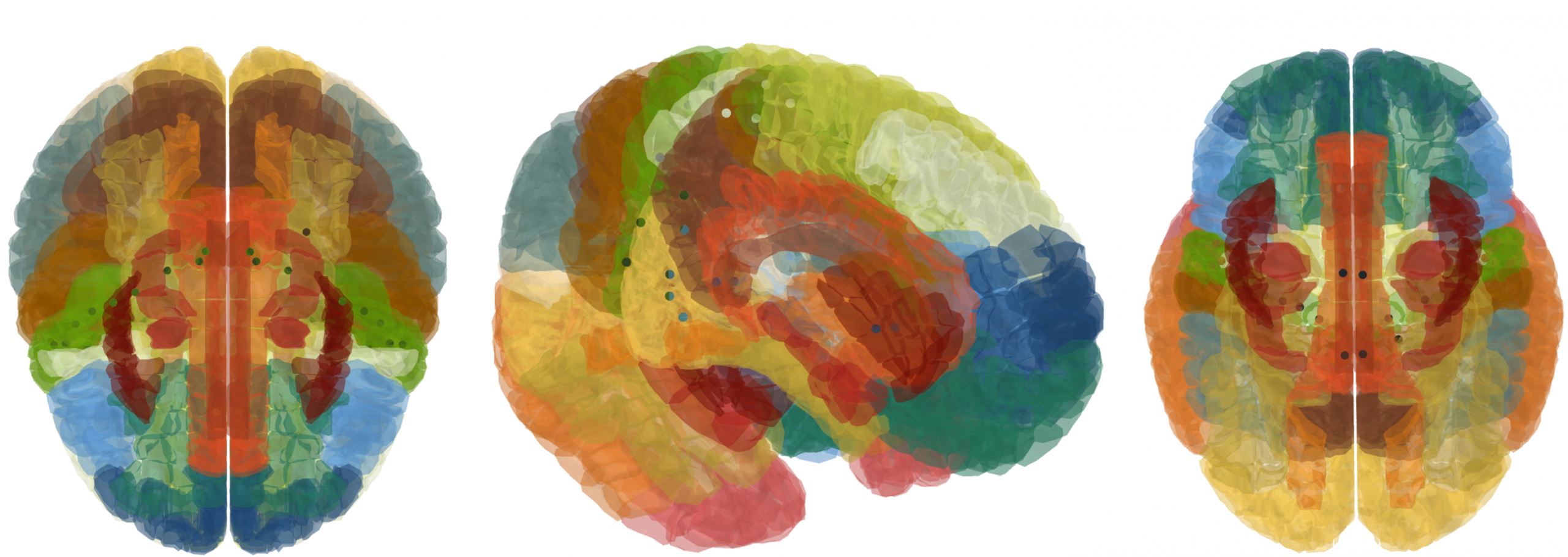
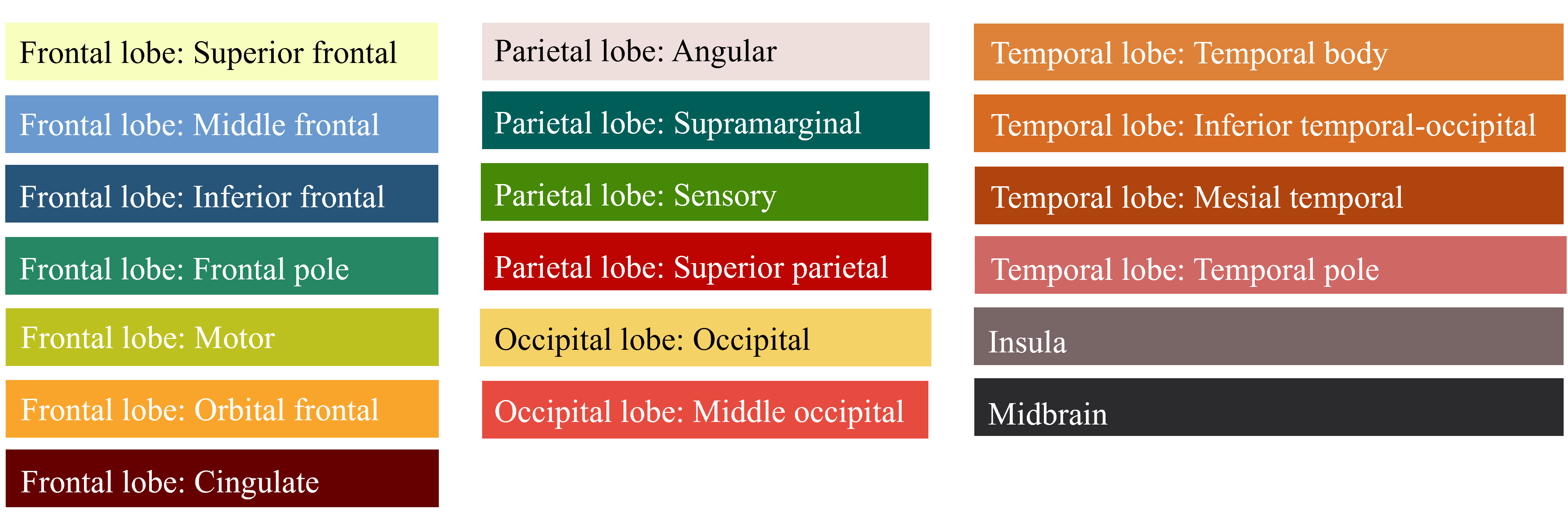
This figure shows the location of Spinal Muscular Atrophy within the brain. Different colors represent various brain regions according to their labels, while the points indicate areas with a potential presence of Spinal Muscular Atrophy.

Symptom
Symptoms of Spinal Muscular Atrophy (SMA) can vary depending on the type and severity of the condition. Common symptoms may include:
- Muscle weakness: SMA typically causes progressive muscle weakness, especially in the arms, legs, and trunk.
- Muscle atrophy: Muscles affected by SMA may become smaller (atrophy) over time due to lack of use.
- Difficulty with motor skills: Infants and children with SMA may have delays in reaching motor milestones, such as sitting, crawling, or walking.
- Respiratory difficulties: Weakness in the muscles used for breathing can lead to respiratory problems, including difficulty breathing, breathlessness, and susceptibility to respiratory infections.
- Swallowing difficulties: Weakness in the muscles involved in swallowing can lead to feeding difficulties and an increased risk of choking.
- Tremors or twitching: Some individuals with SMA may experience tremors or involuntary muscle twitching.
- Joint contractures: Weakness and atrophy of muscles can lead to joint contractures, where joints become fixed in a bent or flexed position.
- Fatigue: Muscle weakness and effort required for movement can lead to increased fatigue, especially during physical activity.
- Scoliosis: Progressive muscle weakness can also lead to curvature of the spine (scoliosis) in some individuals with SMA.
It’s important to note that the severity and progression of symptoms can vary widely among individuals with SMA, even among those with the same type of the condition. Early diagnosis and appropriate management can help optimize quality of life and outcomes for individuals with SMA.