Primary Lateral Sclerosis (PLS)
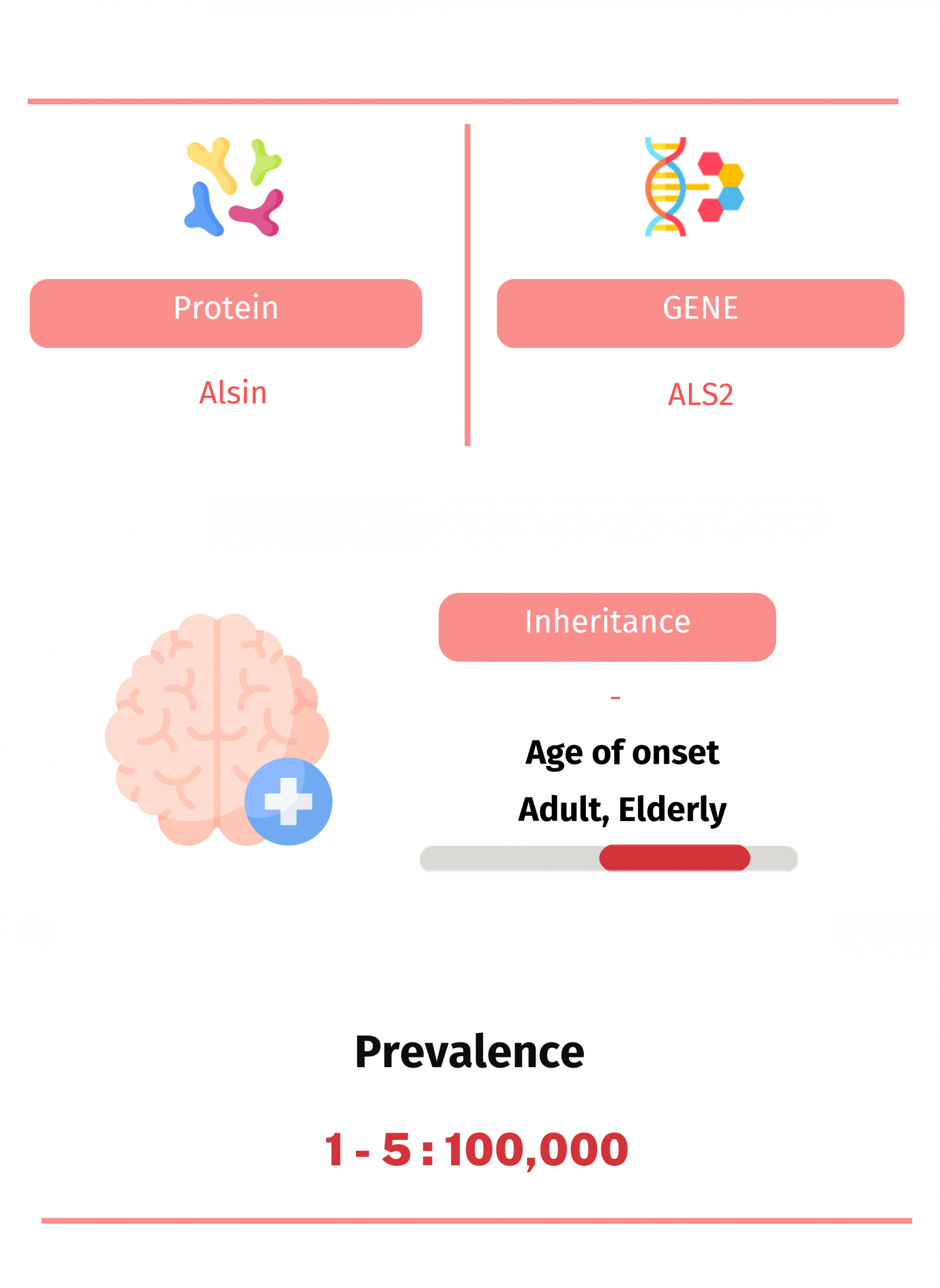
Primary Lateral Sclerosis (PLS) is a rare motor neuron disease of unknown cause. It is not inherited and involves the gradual deterioration of upper motor neurons in the brain and spinal cord. This condition leads to progressively worsening muscle stiffness (spasticity), mild muscle weakness, increased reflexes (hyperreflexia), and difficulties with speech (loss of motor speech production).
There is currently no cure for PLS, and treatment focuses on symptom management and improving the quality of life.
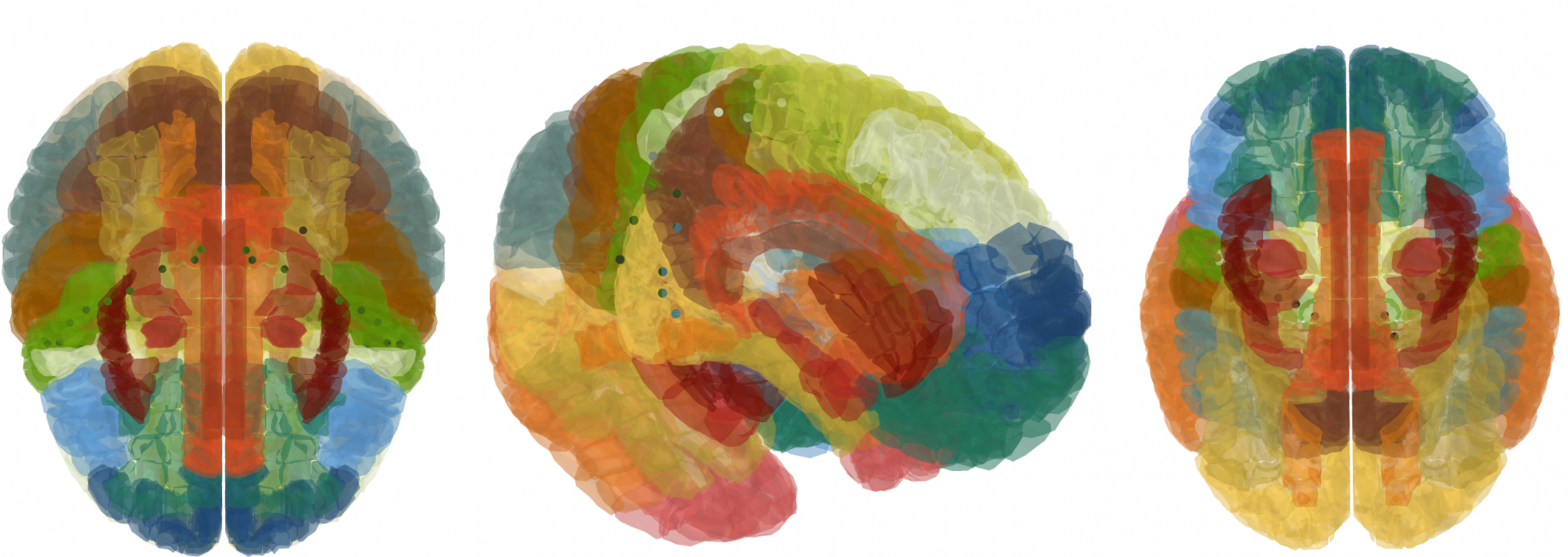
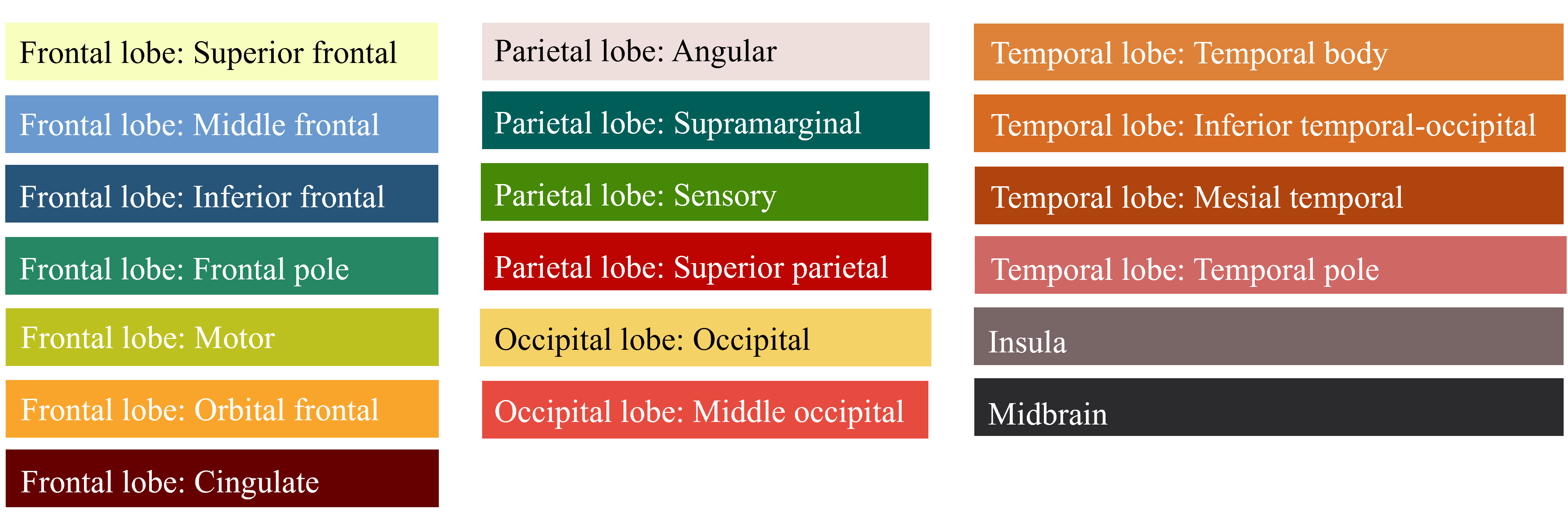
This figure shows the location of Primary Lateral Sclerosis within the brain. Different colors represent various brain regions according to their labels, while the points indicate areas with a potential presence of Primary Lateral Sclerosis.
Symptom
Primary Lateral Sclerosis (PLS) usually begins with symptoms in the lower extremities and gradually progresses. Common symptoms include:
- Lower-extremity stiffness and pain: Due to spasticity in the legs.
- Balance problems: Difficulties with maintaining balance, leading to an increased risk of falls.
- Lower back and neck pain: Resulting from spasticity and posture changes.
- Upper limb involvement: As the disease progresses, the arms and hands may become affected.
- Difficulty with daily activities: Tasks such as dressing, eating, and writing may become challenging as upper limb function deteriorates. Ultimately, loss of ability to perform daily tasks