Pick’s Disease (PiD)
Pick’s disease, also known as frontotemporal dementia, is a rare neurodegenerative disorder. It is associated with abnormal protein aggregates in the brain, primarily consisting of tau protein. These aggregates disrupt normal brain function and lead to the degeneration of nerve cells in the frontal and temporal lobes.
Unlike other types of dementia, such as Alzheimer’s disease, memory loss may not be a prominent early symptom in Pick’s disease. The exact cause of Pick’s disease is not fully understood, but it is believed to involve a combination of genetic and environmental factors.
Currently, there are no disease-modifying treatments for Pick’s disease, and management focuses on addressing symptoms and providing supportive care to improve the quality of life for affected individuals and their families.
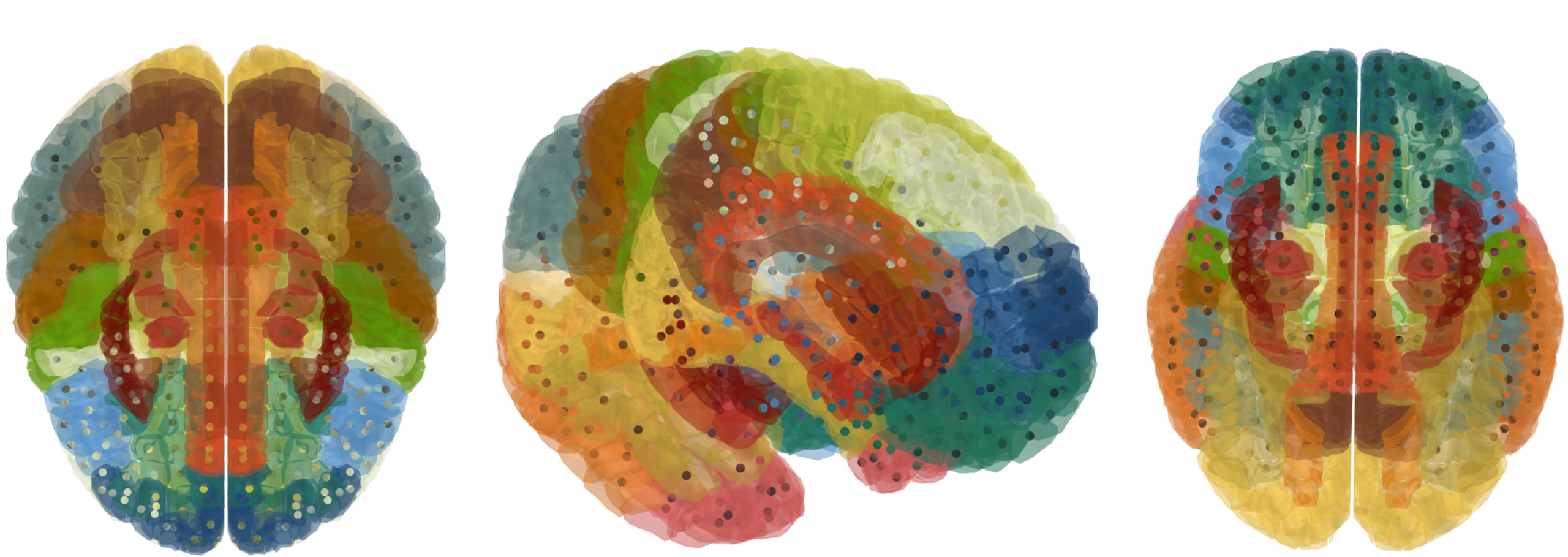
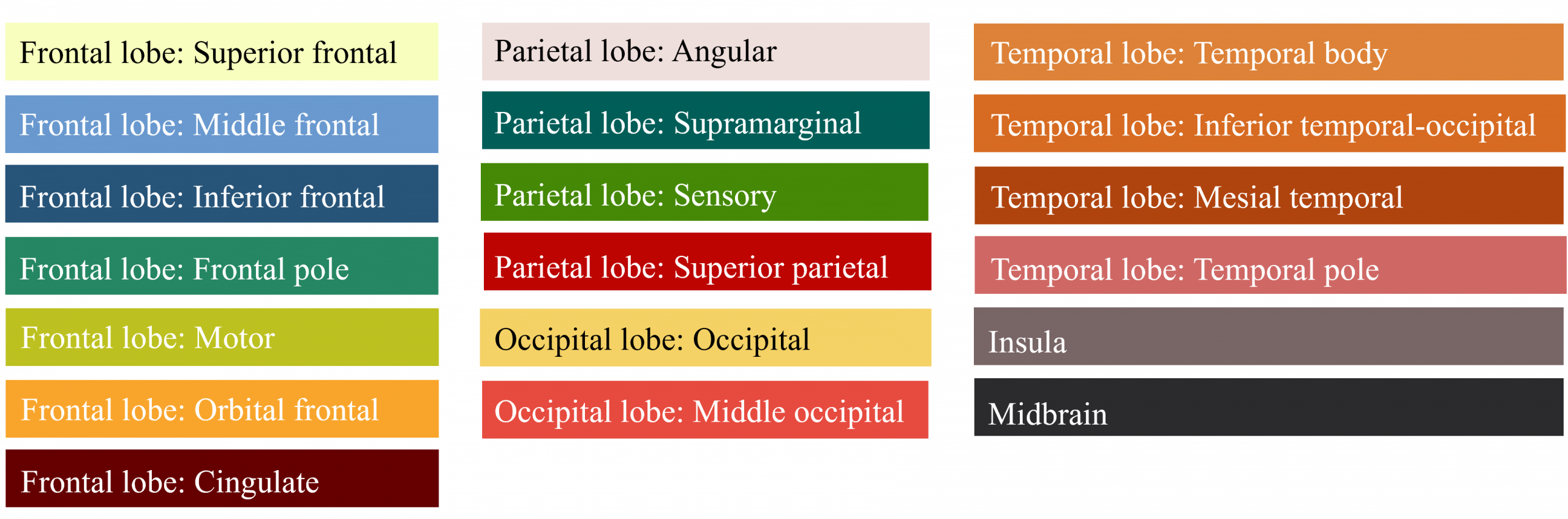
This figure shows the location of Pick’s Disease within the brain. Different colors represent various brain regions according to their labels, while the points indicate areas with a potential presence of Pick’s Disease.

Symptom
Symptoms of Pick’s disease may include:
- Behavioral Changes: Individuals may exhibit socially inappropriate behavior, impulsivity, disinhibition, apathy, or loss of empathy. These changes often occur early in the disease progression.Memory loss
- Personality Changes: There may be noticeable alterations in personality, such as increased irritability, aggression, or a lack of concern for personal hygiene or appearance.
- Language Difficulties (Aphasia): Language impairment is common and can manifest as difficulty finding words (anomia), trouble with speech fluency, grammatical errors, or trouble understanding language (receptive aphasia).
- Executive Dysfunction: Individuals may have difficulty with planning, organizing, decision-making, multitasking, and maintaining attention.
- Memory Impairment: While memory loss is less common in Pick’s disease compared to other forms of dementia, some individuals may experience deficits in episodic memory, particularly in later stages of the disease.
- Movement Disorders: In some cases, individuals may develop movement abnormalities, such as tremors, rigidity, or difficulties with coordination, although these symptoms are less common in Pick’s disease compared to other neurodegenerative disorders.
- Loss of Insight: Individuals may exhibit a lack of awareness or insight into their cognitive and behavioral changes, which can make it challenging for them to recognize the impact of their symptoms on themselves and others.
It’s important to note that the presentation of symptoms can vary widely among individuals with Pick’s disease, and not all symptoms may be present in every case. Additionally, the progression of symptoms can fluctuate, with periods of stability interspersed with periods of worsening symptoms.