
Pelizaeus-Merzbacher Disease (PMD)
Pelizaeus-Merzbacher Disease (PMD) is a rare X-linked leukodystrophy caused by mutations or dosage alterations in the PLP1 gene. This gene encodes the proteolipid protein PLP1 and its alternatively spliced isoform DM20, both crucial for the development of myelin in the central nervous system (CNS).
There is currently no cure, and treatment focuses on managing symptoms and providing supportive care to improve quality of life.
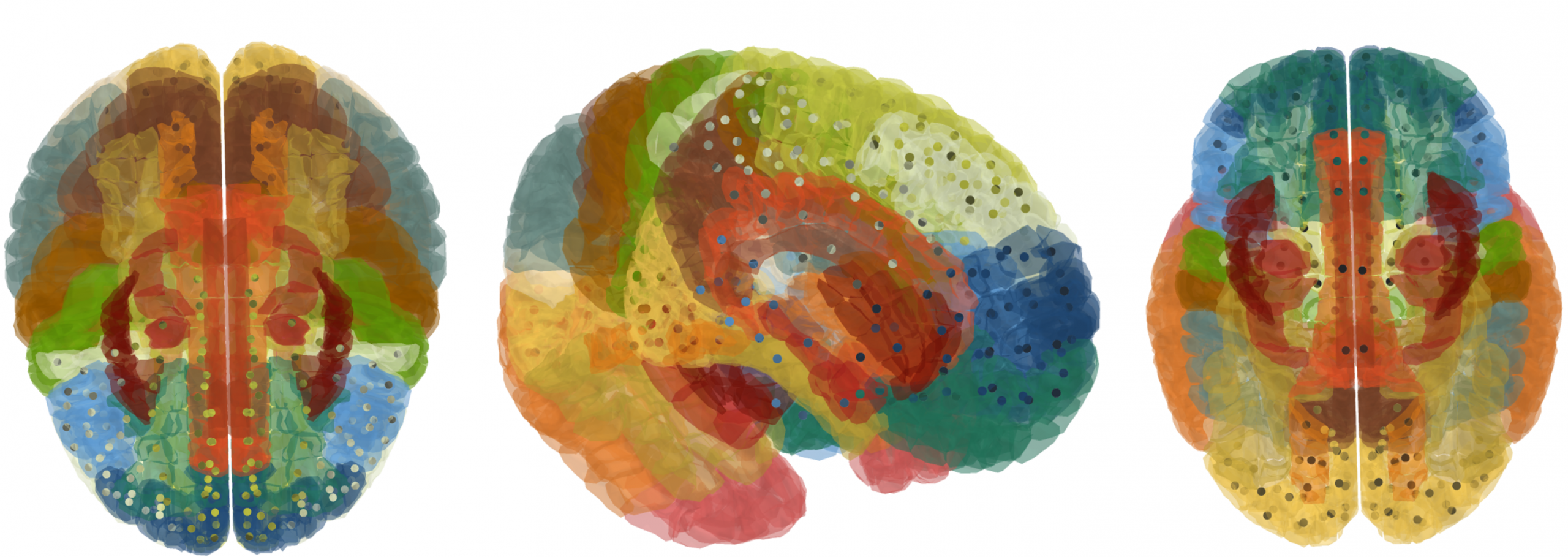
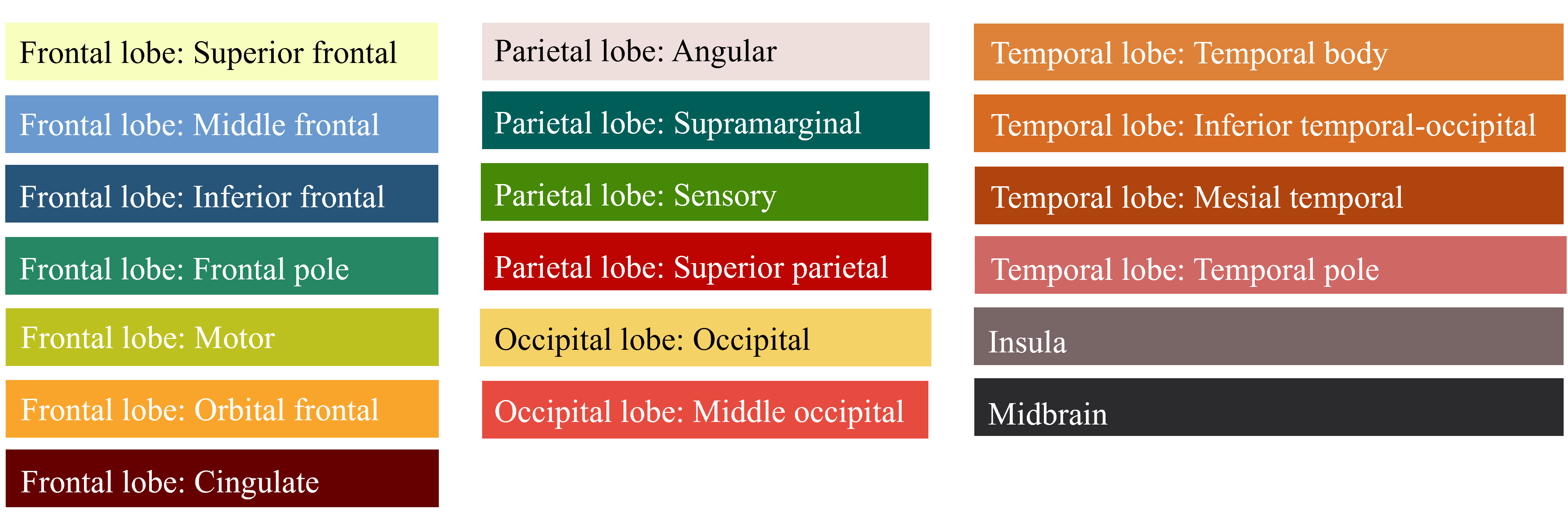
This figure shows the location of Pelizaeus-Merzbacher Disease within the brain. Different colors represent various brain regions according to their labels, while the points indicate areas with a potential presence of Pelizaeus-Merzbacher Disease.

Symptom
Symptoms of Pelizaeus-Merzbacher Disease (PMD) can vary depending on the severity and subtype of the disease, but commonly include:
- Balance Problems: Difficulty maintaining balance and coordination.
- Developmental Delays: Delayed milestones in motor skills and speech development.
- Feeding Problems: Issues with feeding and swallowing due to poor muscle control.
- High-Pitched Breathing (Stridor): Noisy breathing caused by obstructed airflow.
- Involuntary Eye Movements (Nystagmus): Rapid, uncontrollable eye movements.
- Involuntary Tensing or Jerking Movements (Dystonia): Uncontrolled muscle contractions causing repetitive movements or abnormal postures.
- Poor Weight Gain: Difficulty gaining weight due to feeding problems.
- Weak Muscles (Hypotonia): Low muscle tone leading to floppiness, particularly in infants.
These symptoms typically appear in infancy or early childhood and can vary in severity among individuals with PMD.