Parkinson’s Disease (PD)
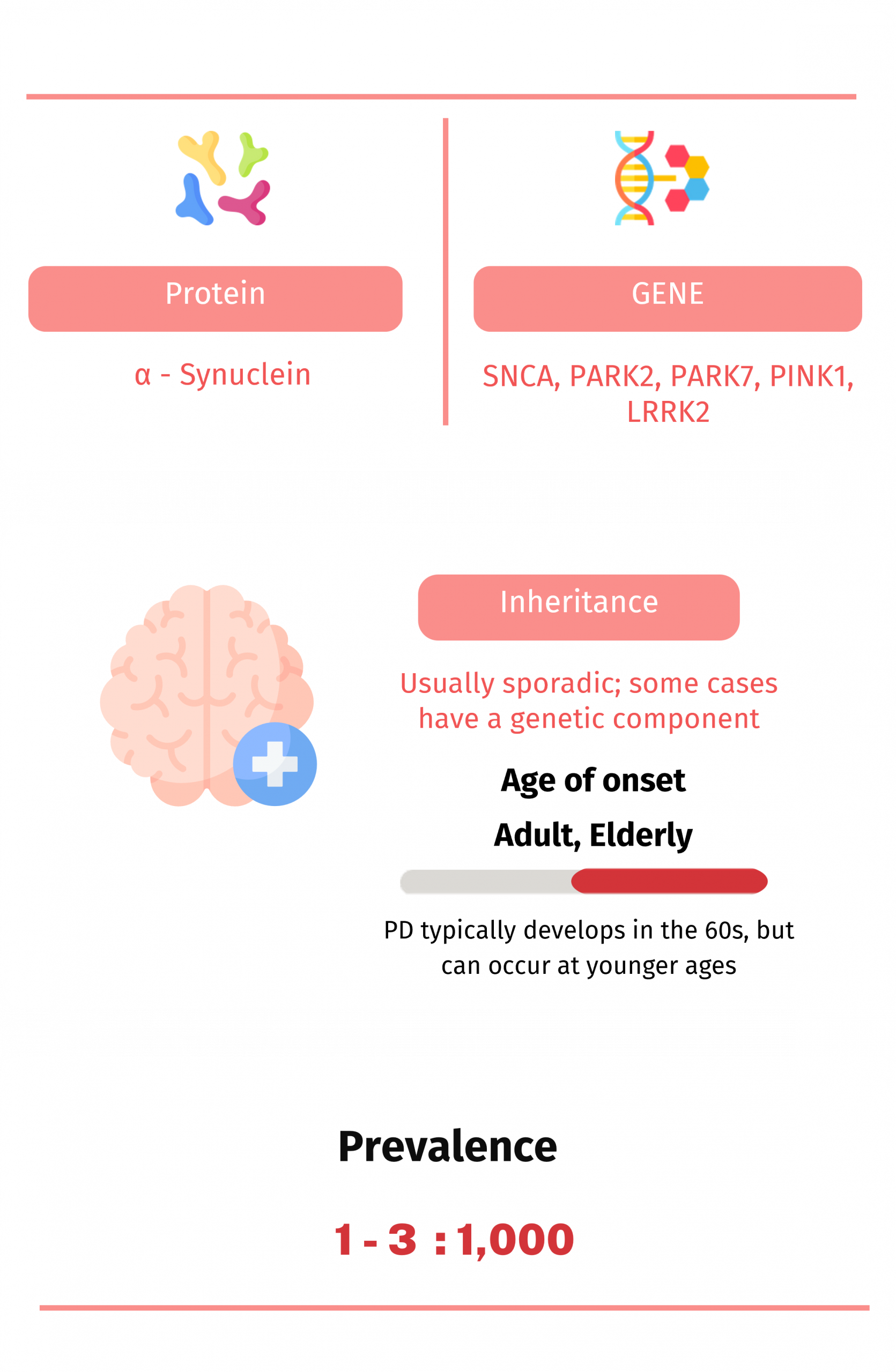
Parkinson’s Disease (PD) is a progressive neurological disorder characterized by motor symptoms such as tremors, rigidity, bradykinesia (slowness of movement), and postural instability. These symptoms result from the loss of dopamine-producing neurons in a specific region of the brain.
While there is currently no cure for Parkinson’s disease, treatments such as medication, physical therapy, and deep brain stimulation can help manage symptoms and improve the quality of life for affected individuals.
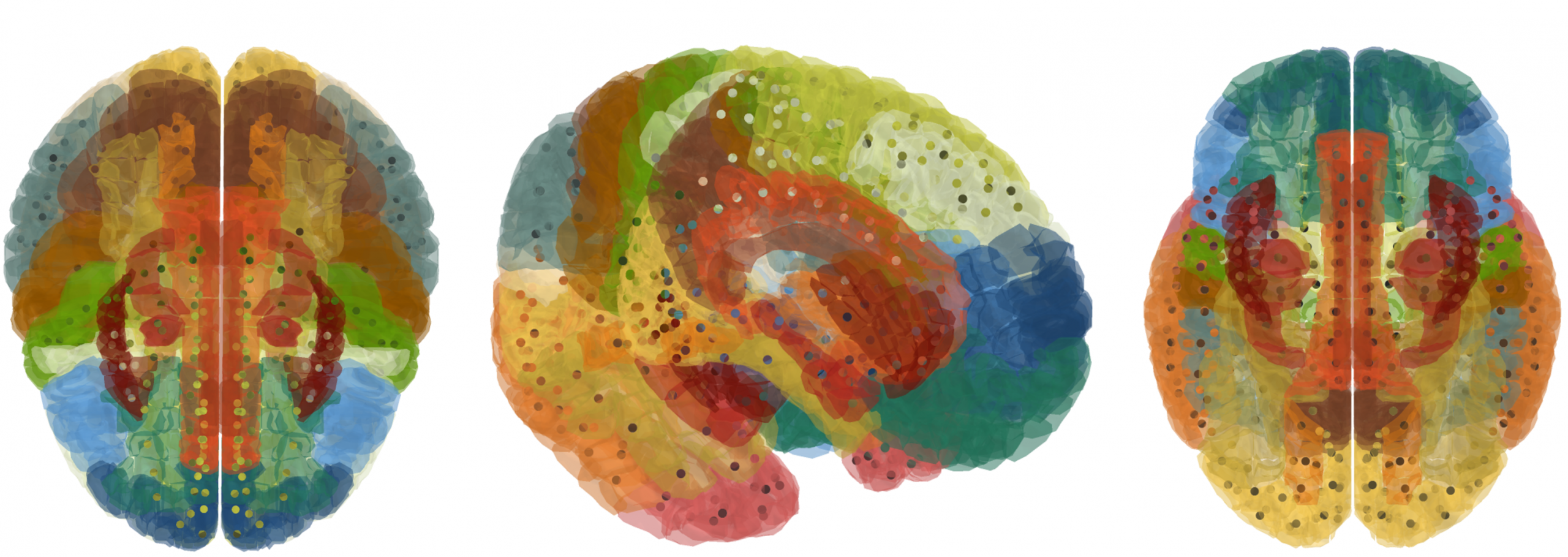
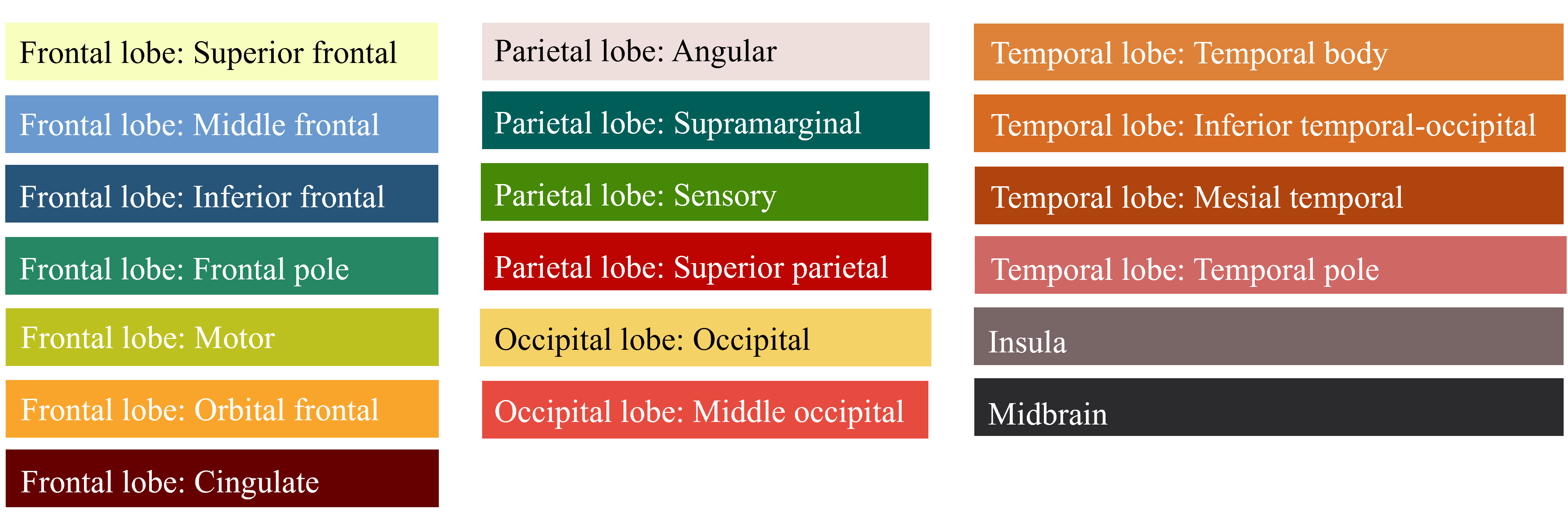
This figure shows the location of Parkinson’s Disease within the brain. Different colors represent various brain regions according to their labels, while the points indicate areas with a potential presence of Parkinson’s Disease.
Symptom
Common symptoms of Parkinson’s Disease (PD) include:
- Tremors: Involuntary shaking, typically starting in one hand or limb.
- Rigidity: Stiffness and resistance in muscles, making movement difficult.
- Bradykinesia: Slowness of movement, affecting tasks such as walking and getting up from a chair.
- Postural Instability: Difficulty maintaining balance and coordination, leading to an increased risk of falls.
- Micrographia: Handwriting becomes smaller and more cramped.
- Masked Face: Reduced facial expressions, giving a “mask-like” appearance.
- Freezing of Gait: Brief episodes where the feet feel stuck to the ground, especially when initiating walking.
- Voice Changes: Softening or hoarseness of voice.
- Sleep Disturbances: Including insomnia, restless legs syndrome, and REM sleep behavior disorder.
- Non-Motor Symptoms: Such as depression, anxiety, cognitive impairment, and autonomic dysfunction (e.g., constipation, urinary problems).
These symptoms can vary in severity and progression among individuals with Parkinson’s Disease. Early diagnosis and appropriate management can help improve quality of life and slow disease progression.