Pantothenate Kinase-Associated Neurodegeneration (PKAN)
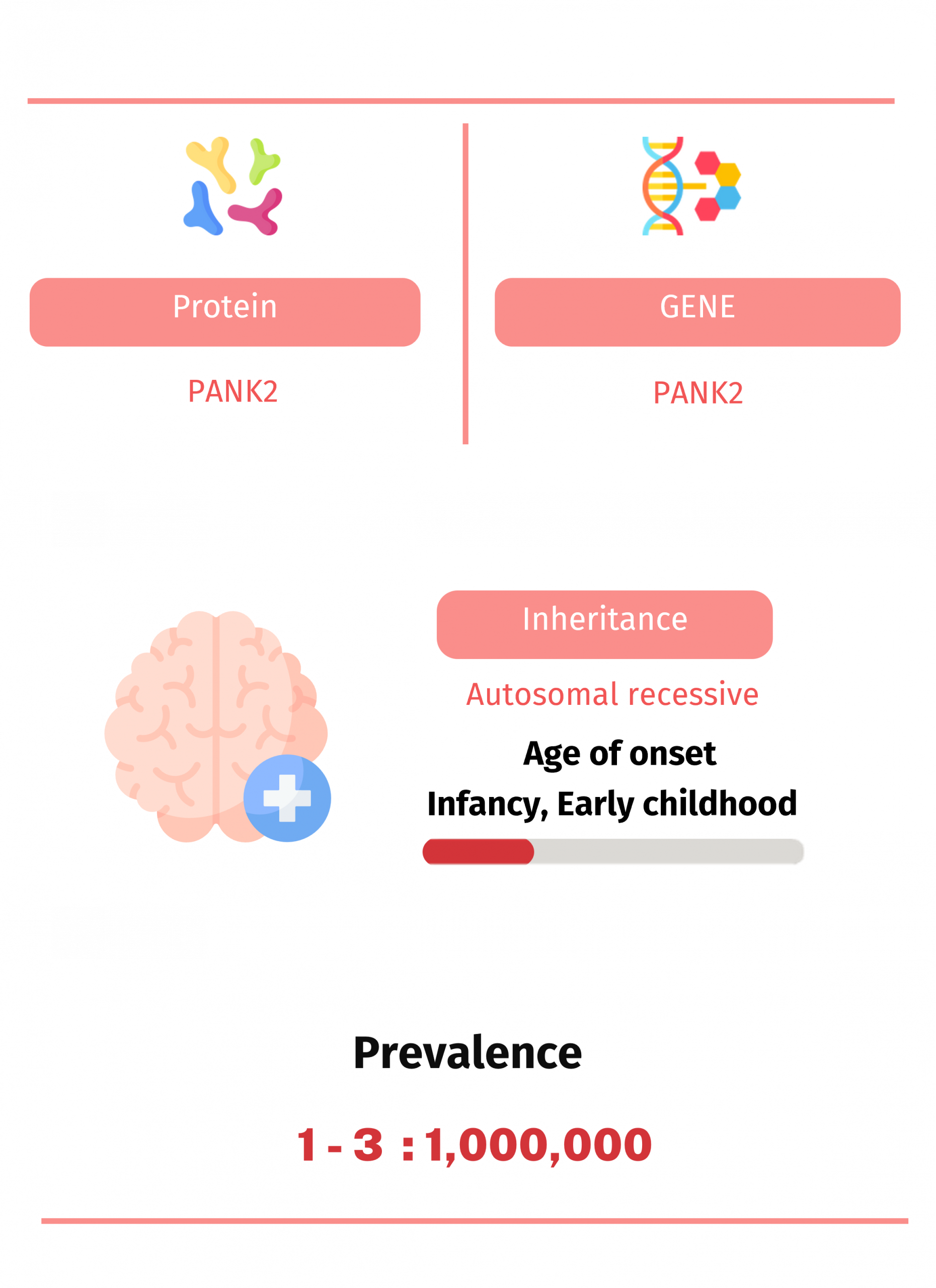
Pantothenate Kinase-Associated Neurodegeneration (PKAN) is the most common subtype of neurodegeneration with brain iron accumulation (NBIA), a rare neurodegenerative disorder characterized by progressive extrapyramidal dysfunction, including dystonia, rigidity, and choreoathetosis. This condition is marked by abnormal iron accumulation in the brain and the presence of axonal spheroids in the central nervous system. PKAN is caused by mutations in the PANK2 gene, which encodes the enzyme pantothenate kinase 2 involved in coenzyme A biosynthesis.
Typically presenting in childhood or adolescence, PKAN is associated with a characteristic brain imaging finding known as the “eye-of-the-tiger” sign. Management of PKAN focuses on symptomatic treatment and supportive care, as there is currently no cure for this progressive disorder.
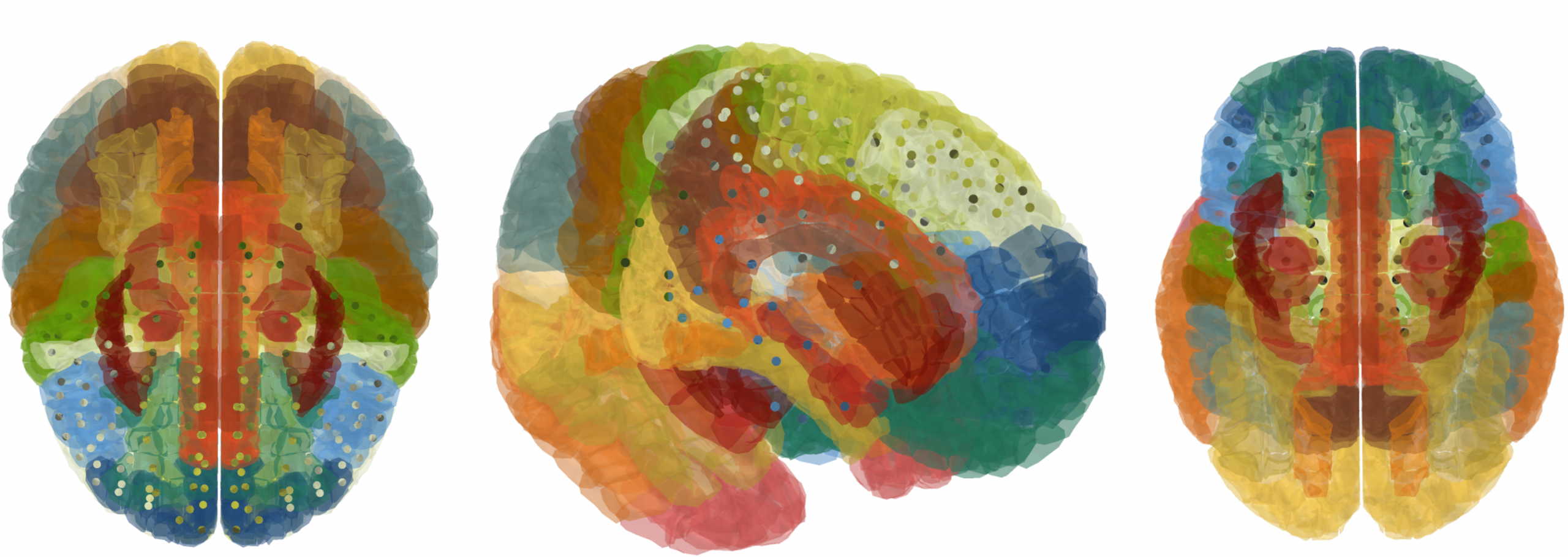
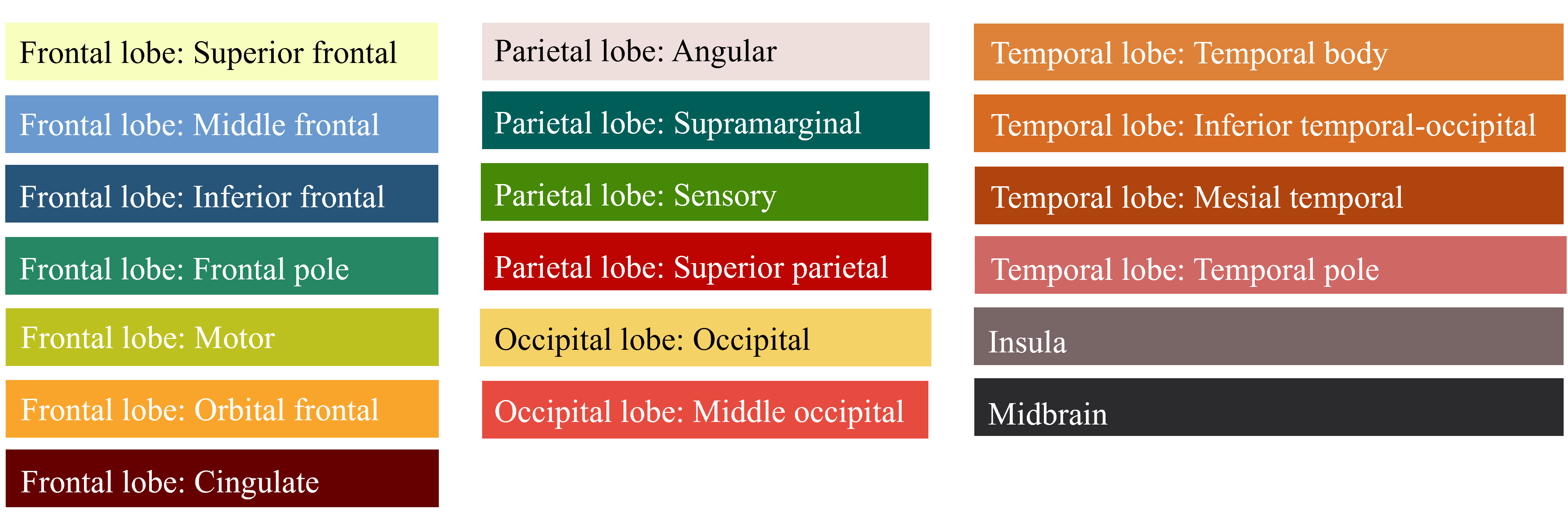
This figure shows the location of Pantothenate Kinase-Associated Neurodegeneration within the brain. Different colors represent various brain regions according to their labels, while the points indicate areas with a potential presence of Pantothenate Kinase-Associated Neurodegeneration.
Symptom
Symptoms of Pantothenate Kinase-Associated Neurodegeneration (PKAN) may include:
- Dystonia: Involuntary muscle contractions leading to twisting and repetitive movements, often affecting the limbs, face, and trunk.
- Rigidity: Stiffness of the muscles, making movement difficult and causing joint pain.
- Choreoathetosis: Combination of irregular, jerky movements (chorea) and writhing movements (athetosis).
- Cognitive Impairment: Progressive decline in cognitive function, including difficulties with memory, attention, and problem-solving.
- Psychiatric Symptoms: Such as depression, anxiety, and behavioral changes.
- Visual Impairment: Abnormalities in vision, including impaired acuity and optic nerve atrophy.
- Speech and Swallowing Difficulties: Dysarthria (difficulty speaking clearly) and dysphagia (difficulty swallowing).
- Gait Abnormalities: Unsteady or abnormal walking pattern due to impaired coordination and balance.
- Spasticity: Increased muscle tone leading to stiffness and reduced range of motion.
- Seizures: Episodes of abnormal electrical activity in the brain, resulting in convulsions or loss of consciousness.
These symptoms can vary in severity and may progress over time, significantly impacting the individual’s quality of life.