Neuroferritinopathy
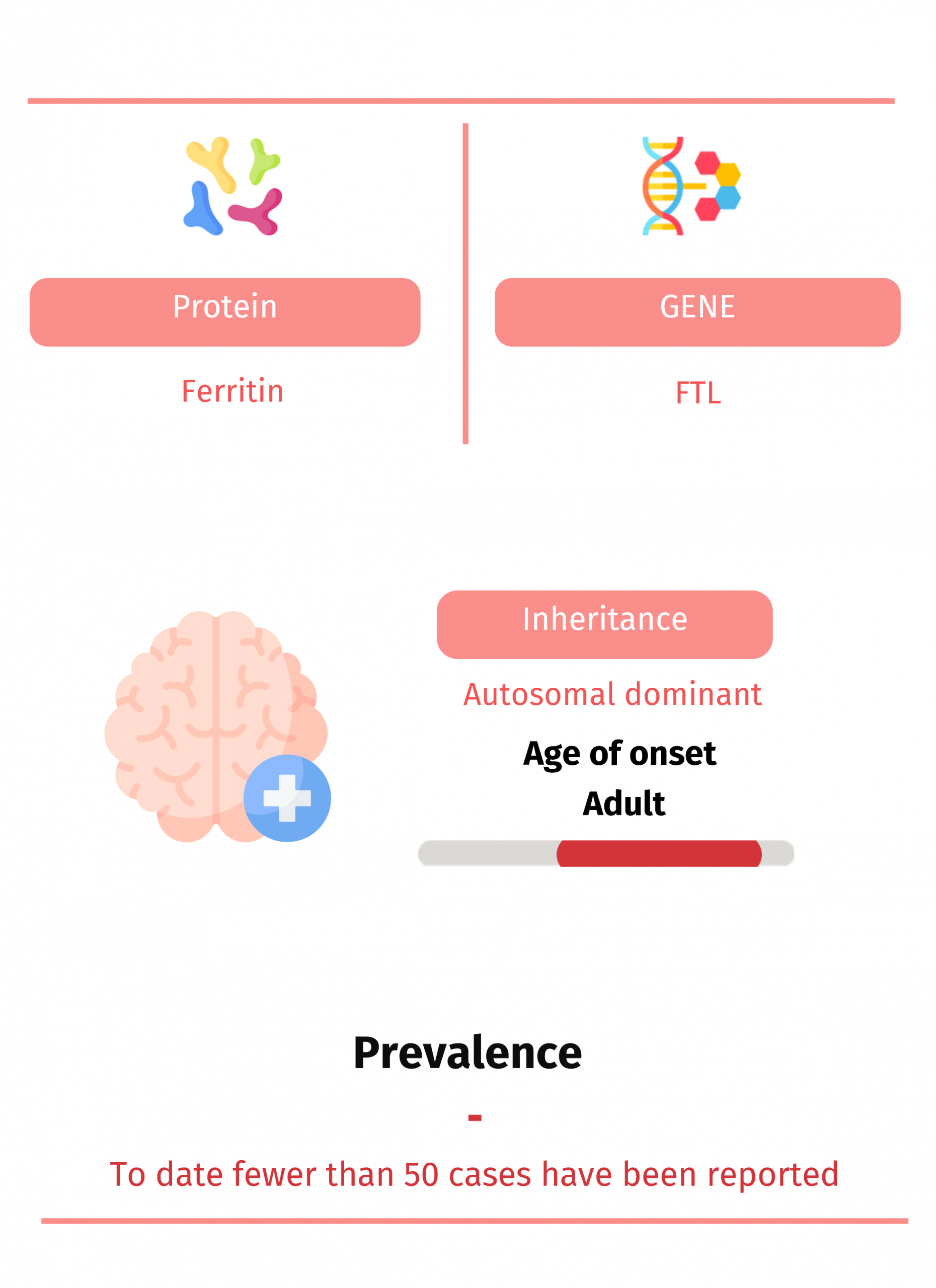
Neuroferritinopathy is a late-onset neurodegenerative disorder. It is caused by mutations in the ferritin light chain (FTL) gene and is inherited in an autosomal dominant manner with high penetrance. This condition arises from abnormal accumulation of iron in the brain, particularly in the basal ganglia, resulting in neurological symptoms.
Although there is currently no cure, treatment focuses on managing symptoms and providing supportive care to enhance quality of life.
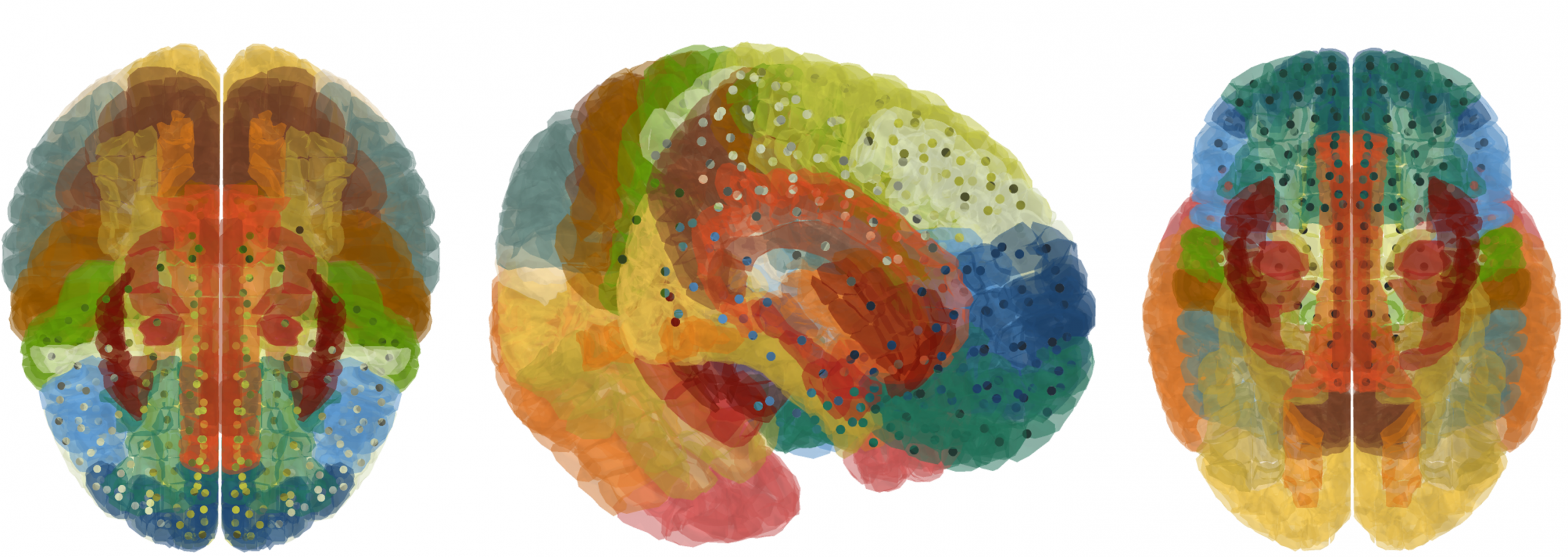
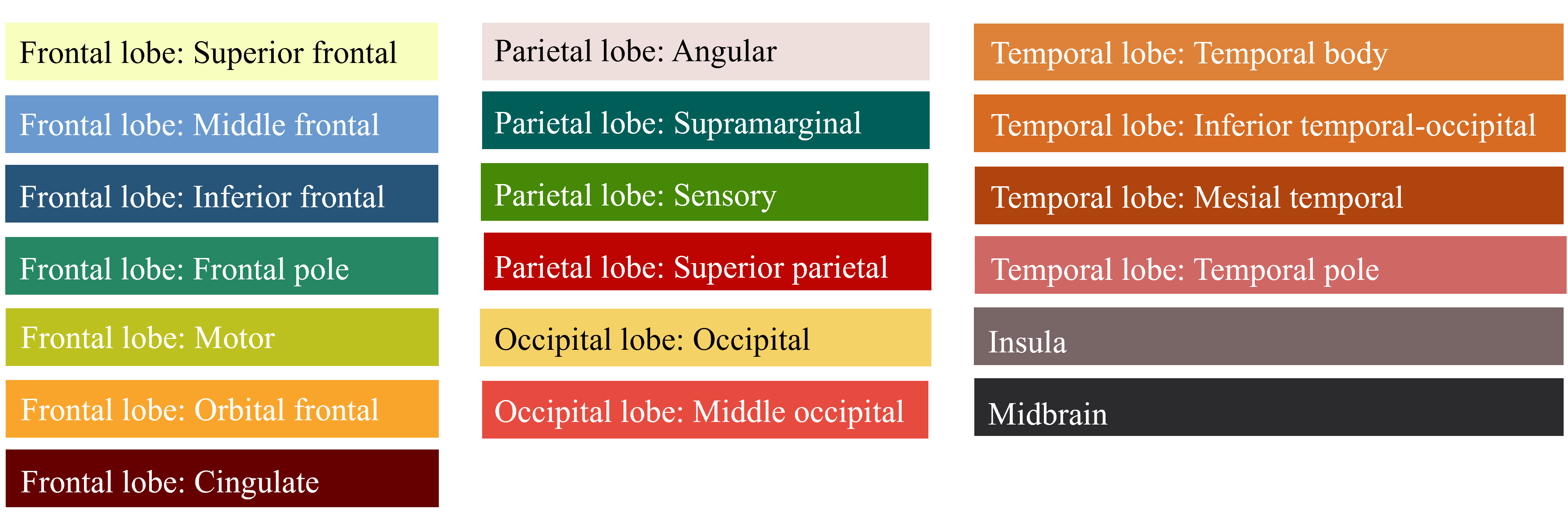
This figure shows the location of Neuroferritinopathy within the brain. Different colors represent various brain regions according to their labels, while the points indicate areas with a potential presence of Neuroferritinopathy.
Symptom
- Chorea or Dystonia: Involuntary, irregular movements (chorea) or sustained muscle contractions causing abnormal postures (dystonia).
- Speech and Swallowing Deficits: Impairments in speech production (dysarthria) and swallowing difficulties (dysphagia).
- Progressive Nature: Symptoms worsen over time, leading to increasing disability.
- Cognitive Decline: Subtle deficits in memory, attention, and executive function may develop.
- Psychiatric Symptoms: Including depression, anxiety, or changes in behavior.
- Parkinsonism Features: Such as tremor, rigidity, and bradykinesia (slowness of movement).
- Gait Abnormalities: Unsteady or shuffling gait due to impaired coordination.
- Sleep Disturbances: Insomnia or excessive daytime sleepiness may occur.
- Autonomic Dysfunction: Urinary urgency, constipation, or orthostatic hypotension may manifest.
- Basal Ganglia Iron Accumulation: The underlying cause involves abnormal accumulation of iron in the basal ganglia region of the brain.
This list provides a comprehensive overview of neuroferritinopathy, encompassing its clinical manifestations and underlying pathology.