Leigh Syndrome (LS)
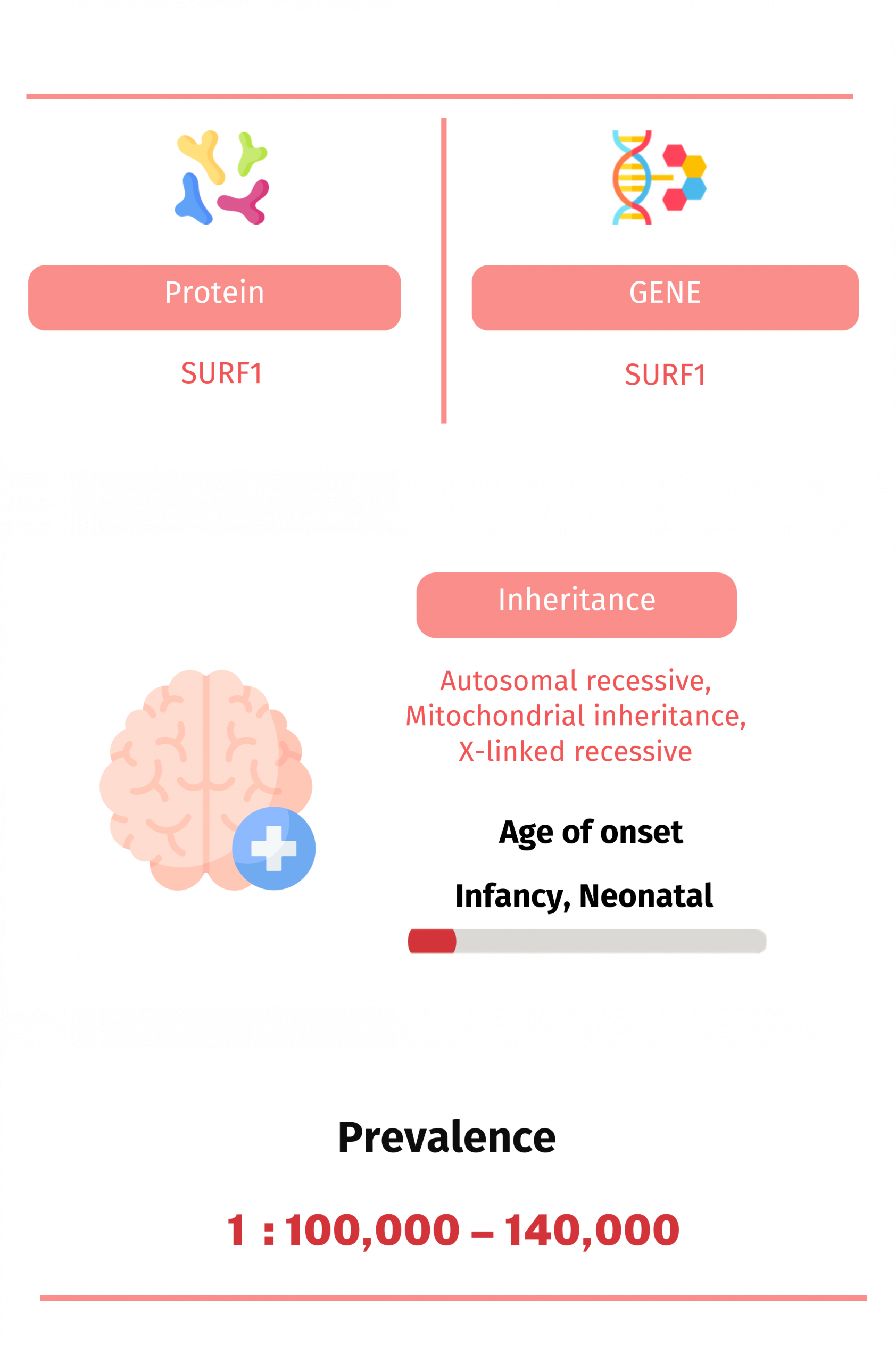
Leigh Syndrome (LS), also known as subacute necrotizing encephalomyelopathy, is a progressive neurological disease defined by specific neuropathological features associating brainstem and basal ganglia lesions. It primarily affects infants and young children, resulting in developmental regression, movement abnormalities, and neurological deterioration. Most mutations associated with LS are located in the nuclear genome.
The identified genes encode either one of the subunits of the pyruvate dehydrogenase (PDH) complex, one of the subunits of respiratory complexes I or II, or a protein involved in the assembly of respiratory complex IV. Between 10 and 30% of individuals with Leigh syndrome carry mitochondrial DNA mutations, with the most common being the 8993T>G or 8993T>C mutations in the MTATP6 gene encoding a subunit of ATP synthase. These individuals are often referred to as having maternally inherited Leigh syndrome (MILS) and typically harbor very high proportions (above 95%) of the mitochondrial DNA mutation.
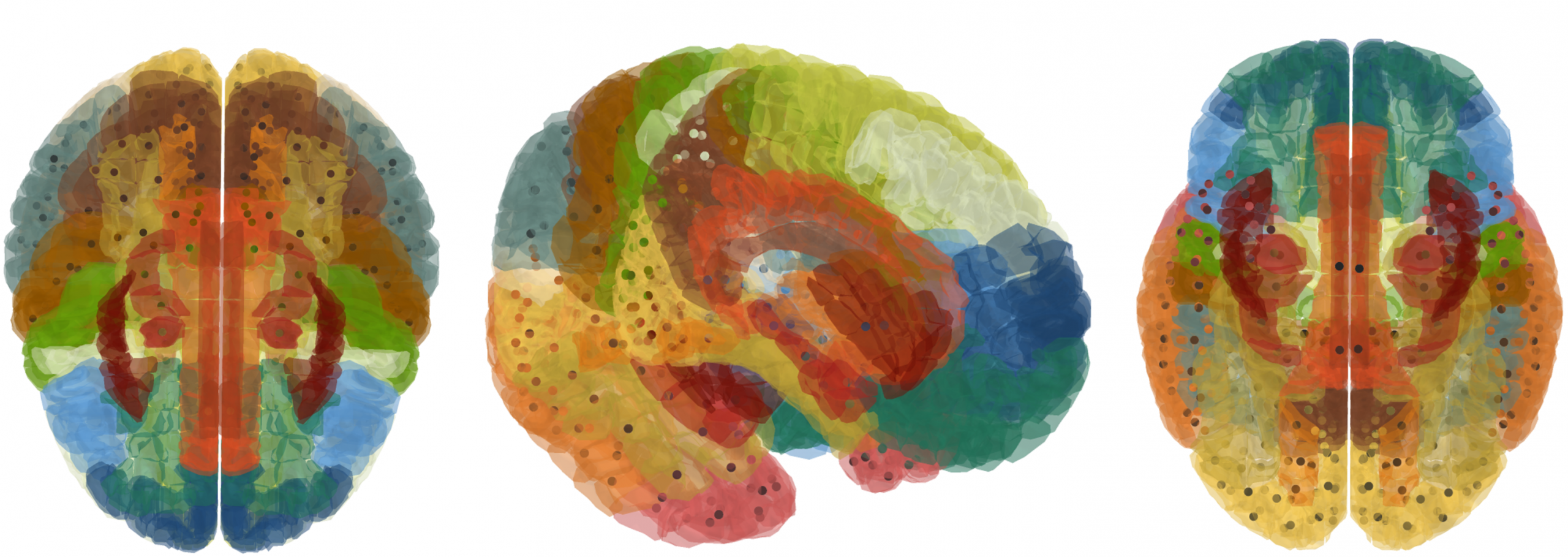
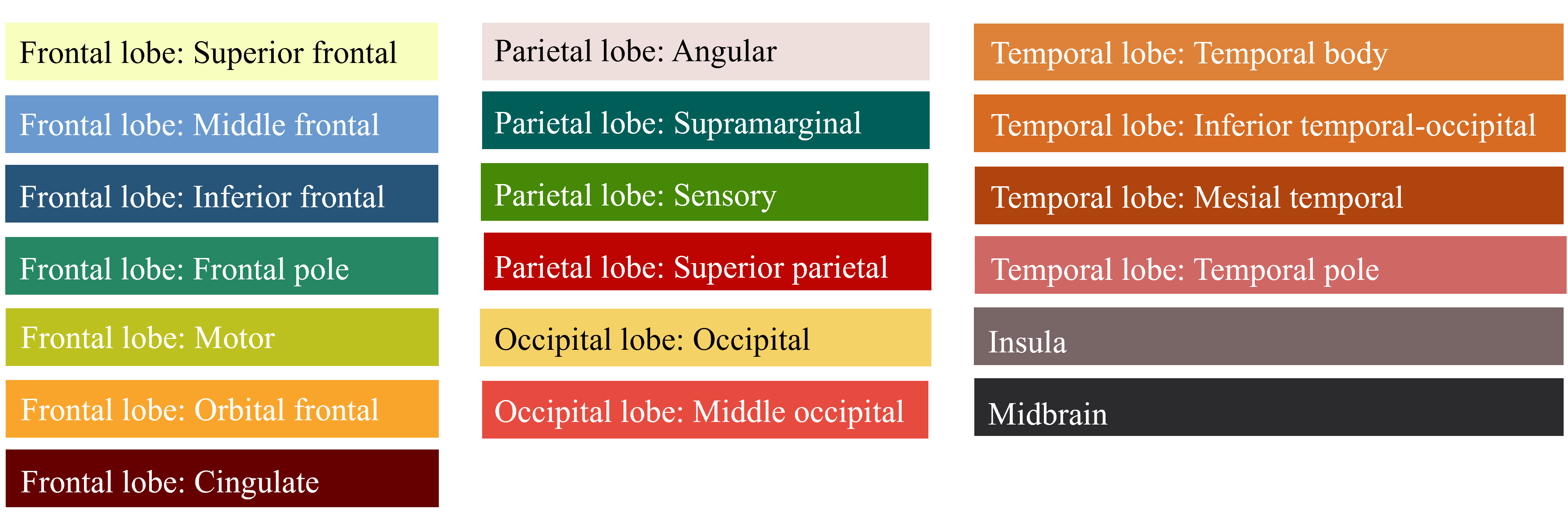
This figure shows the location of Leigh Syndrome within the brain. Different colors represent various brain regions according to their labels, while the points indicate areas with a potential presence of Leigh Syndrome.
Symptom
List of symptoms associated with Leigh Syndrome (LS):
- Developmental Regression: Loss of previously acquired developmental milestones.
- Movement Abnormalities: Hypotonia (low muscle tone), spasticity (increased muscle tone), and dystonia (involuntary muscle contractions).
- Seizures: Episodes of abnormal electrical activity in the brain, resulting in convulsions or other seizure types.
- Poor Feeding: Difficulty in feeding, leading to inadequate nutrition and growth.
- Failure to Thrive: Inadequate growth and weight gain despite adequate caloric intake.
- Respiratory Difficulties: Breathing problems, including irregular breathing patterns, breath-holding spells, and respiratory distress.
- Visual or Hearing Impairments: Vision or hearing deficits, such as impaired visual acuity or hearing loss.
- Neurological Deterioration: Progressive decline in neurological function, including cognitive decline, loss of motor skills, and eventual disability.
Symptoms worsen over time, impacting daily life.