Kuru
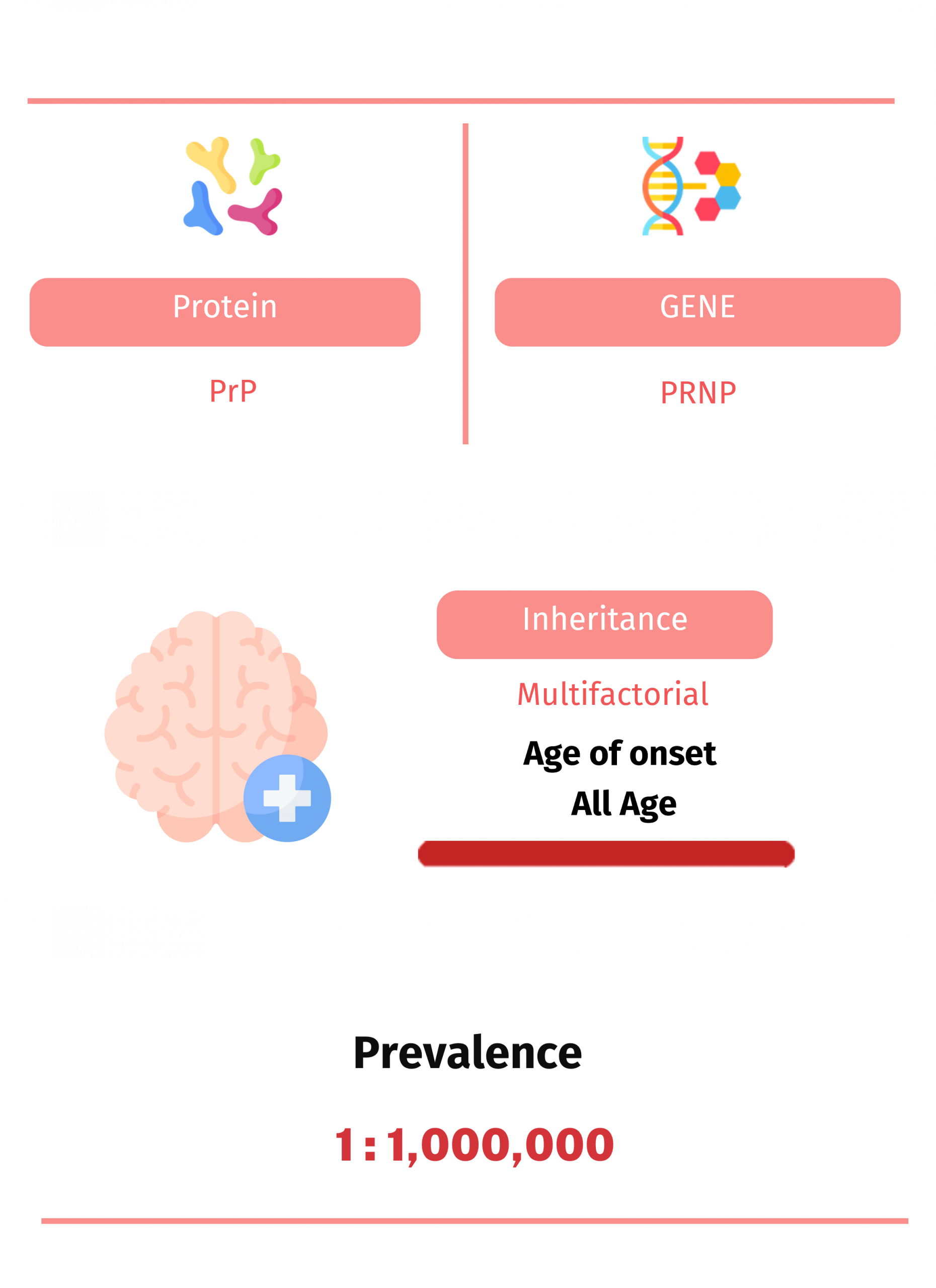
Kuru is a rare acquired human prion disease. It was prevalent among the Fore people in Papua New Guinea until the late 1950s due to endocannibalistic funeral rituals involving the consumption of prion-containing brain tissue. Following a decades-long asymptomatic period, individuals enter a non-specific prodromal phase with symptoms like headaches and arthralgia.
The most prominent neurological feature of Kuru is ataxia, accompanied by symptoms affecting various brain regions, including the cerebellum, brainstem, midbrain, hypothalamus, and cerebral cortex.
The disease culminates in death, with the last reported patient succumbing in 2005 after an incubation period extending over four decades.
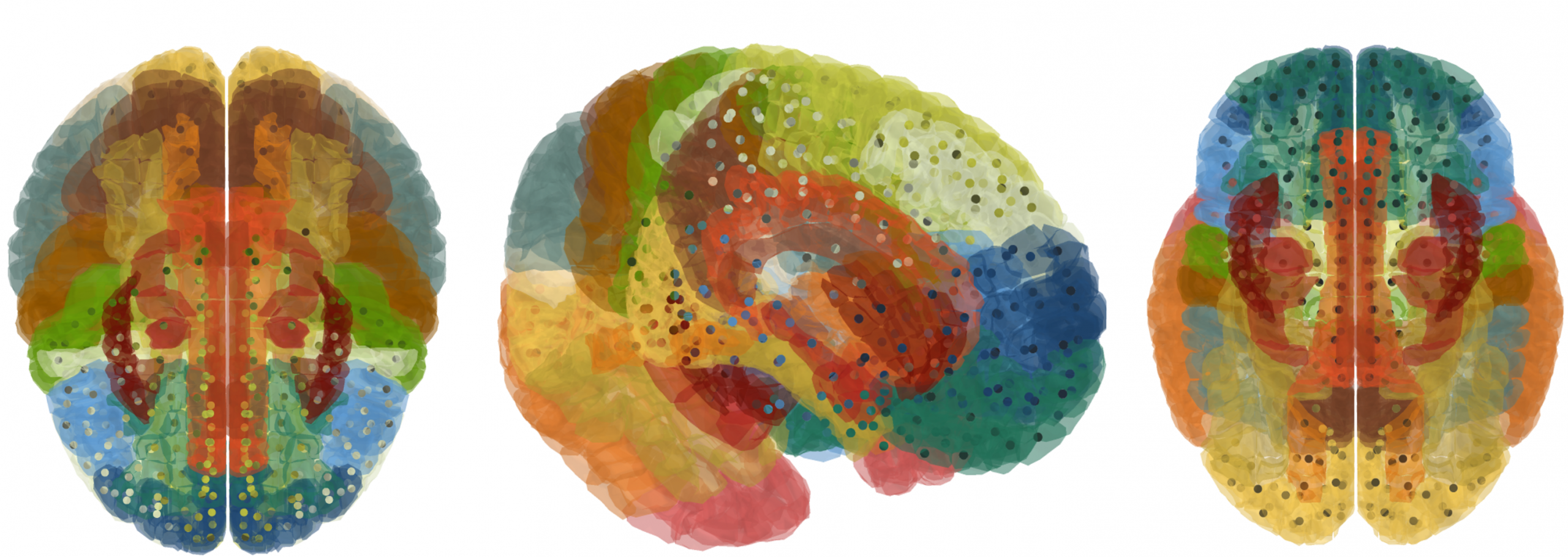
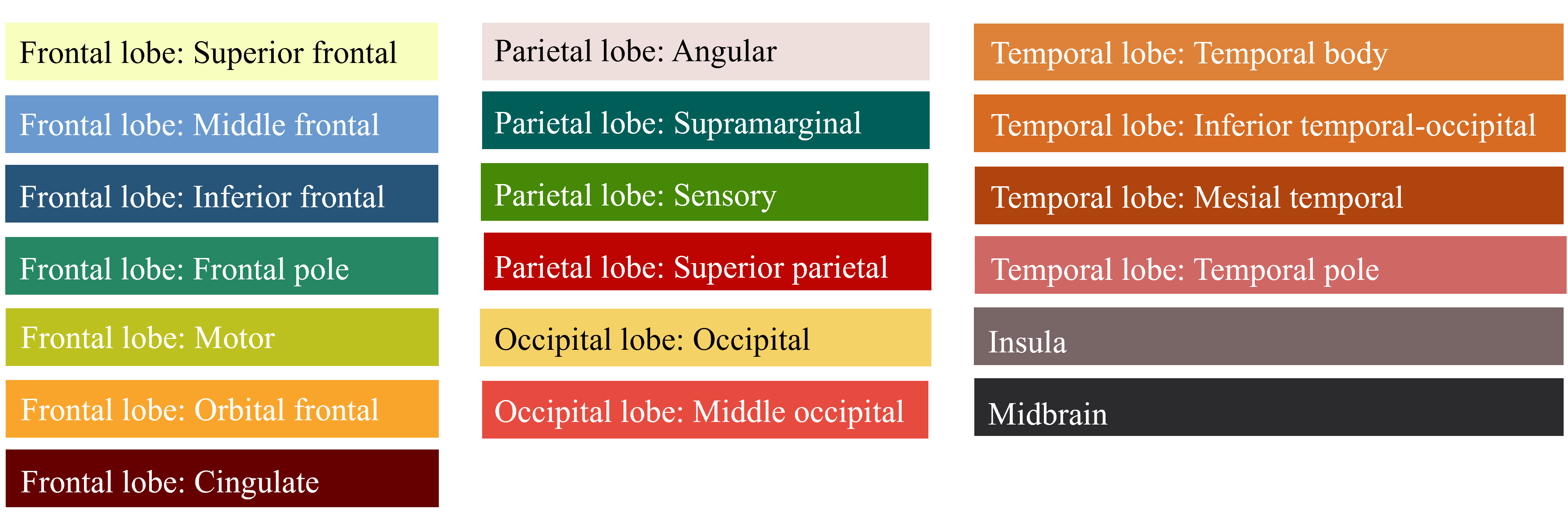
This figure shows the location of Kuru within the brain. Different colors represent various brain regions according to their labels, while the points indicate areas with a potential presence of Kuru.
Symptom
Symptoms of Kuru may include:
- Ataxia: Loss of coordination and control over voluntary movements, leading to difficulty walking and performing tasks requiring fine motor skills.
- Cognitive Decline: Progressive deterioration in cognitive function, including memory loss, difficulty concentrating, and impaired judgment.
- Emotional Changes: Inappropriate euphoria, compulsive laughter, depression, and apprehension.
- Neurological Symptoms: Various neurological manifestations affecting the cerebellum, brainstem, midbrain, hypothalamus, and cerebral cortex.
- Prodromal Symptoms: Headaches and arthralgia during the non-specific prodromal phase preceding the onset of neurological symptoms.
It’s important to note that Kuru is a rare disease, and symptoms may vary in severity and presentation among affected individuals.