Infantile Neuroaxonal Dystrophy (INAD)
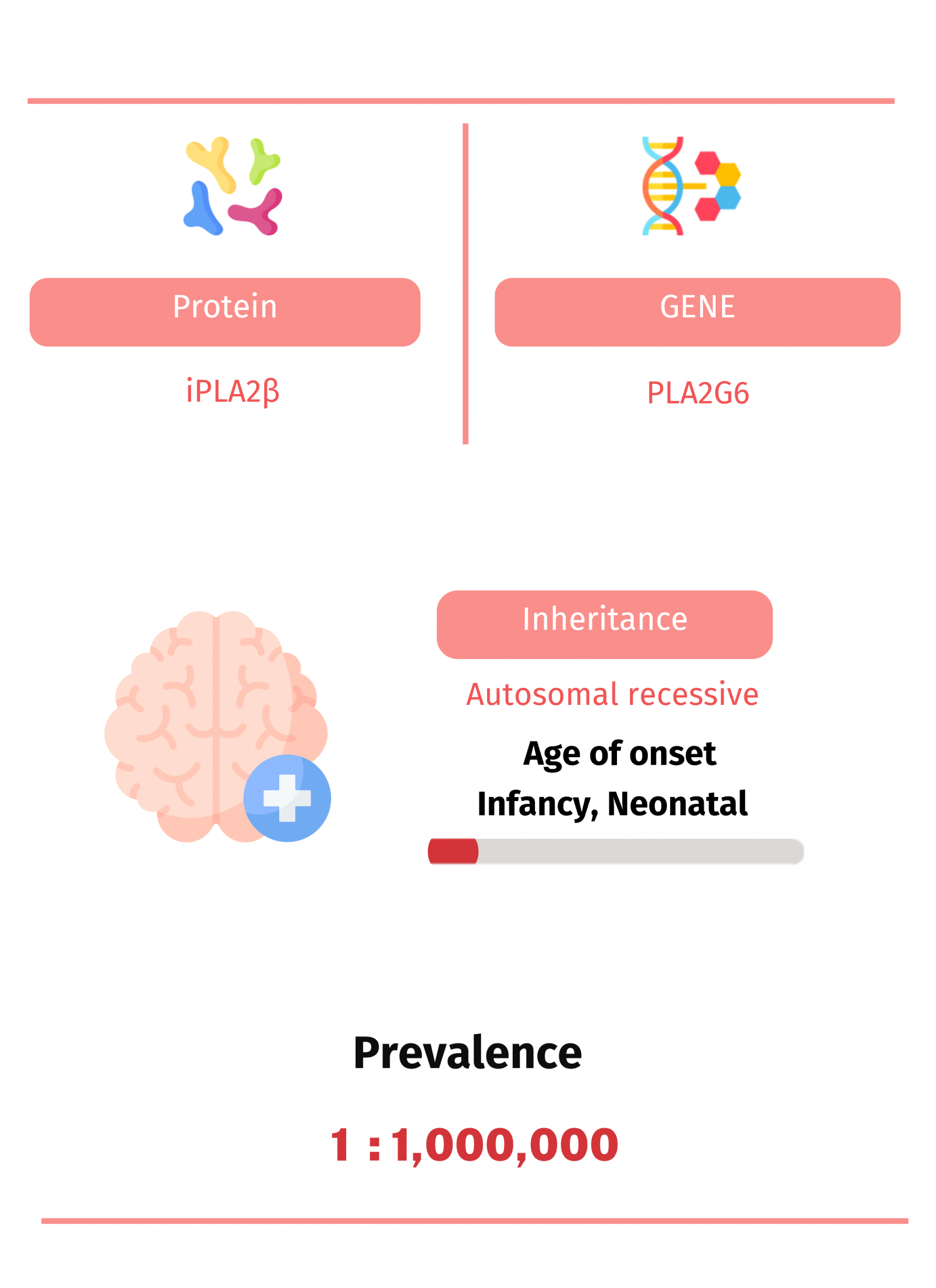
Infantile Neuroaxonal Dystrophy (INAD), also known as atypical Neuroaxonal Dystrophy (NAD), is a type of neurodegeneration with brain iron accumulation (NBIA). INAD may present along a continuum between classic and atypical forms, with patients experiencing symptoms varying in severity.
This disorder is caused by mutations in the PLA2G6 gene, which alter phospholipid metabolism and often result in abnormal iron accumulation in the basal ganglia. Management of INAD focuses on supportive care to address symptoms and optimize quality of life, as there is currently no cure for this devastating disorder.
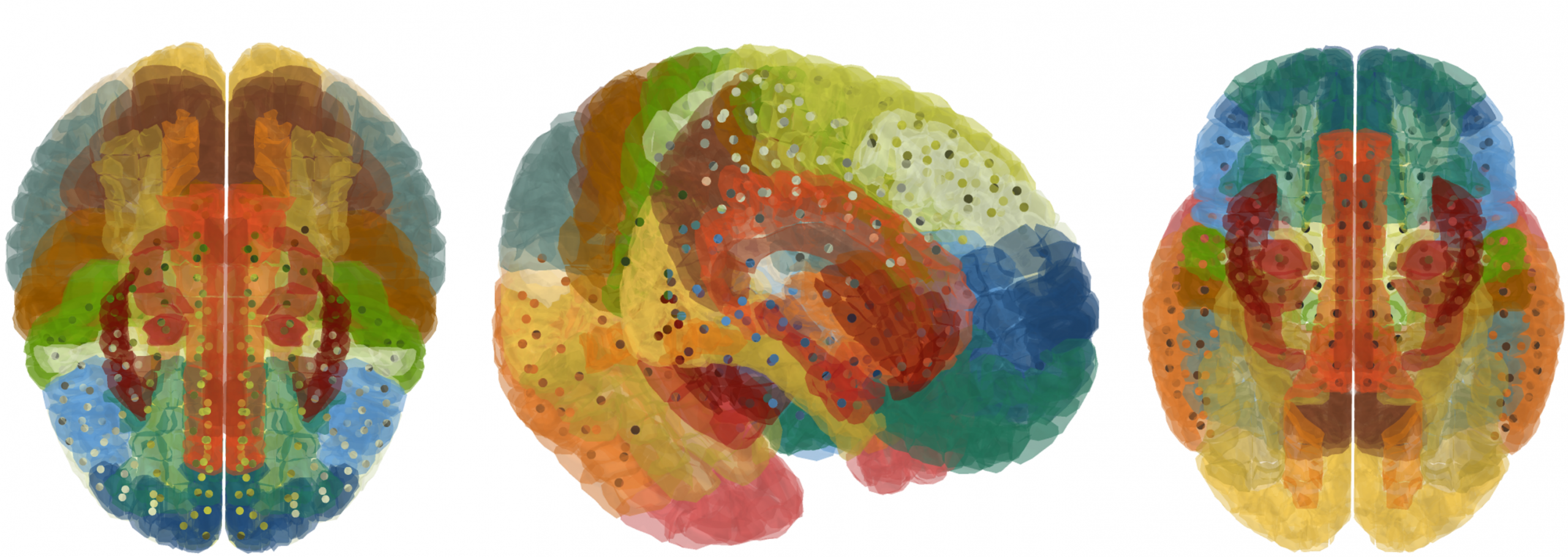
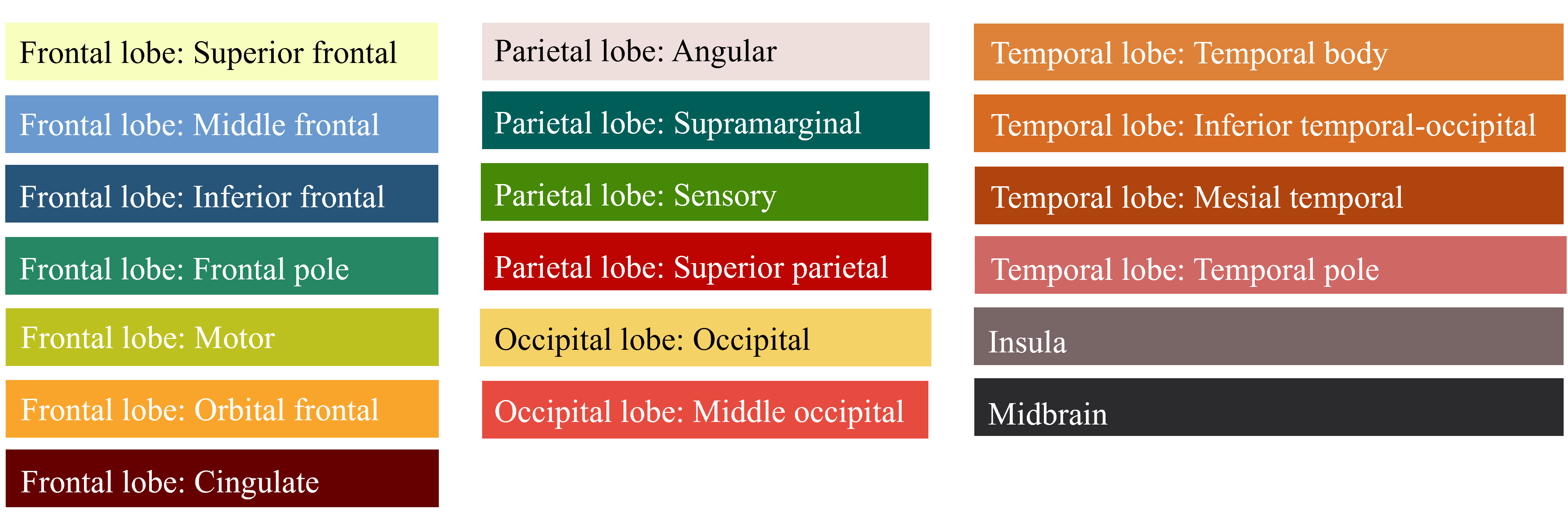
This figure shows the location of Infantile Neuroaxonal Dystrophy within the brain. Different colors represent various brain regions according to their labels, while the points indicate areas with a potential presence of Infantile Neuroaxonal Dystrophy.
Symptom
Symptoms of Infantile Neuroaxonal Dystrophy (INAD) may include:
- Psychomotor Delay and Regression: Delayed development of motor skills followed by a loss of previously acquired abilities.
- Spastic Tetraplegia: Stiffness and increased muscle tone affecting all four limbs, leading to difficulty in movement and coordination.
- Pyramidal Tract Signs: Symptoms associated with damage to the pyramidal tracts of the central nervous system, such as hyperreflexia (exaggerated reflexes), hypertonia (increased muscle tone), and Babinski sign (upward movement of the big toe).
- Hypotonia: Low muscle tone, resulting in floppy or weak muscles.
- Muscle Weakness: Reduced strength and endurance in the muscles, leading to difficulties with mobility and motor function.
- Ataxia: Impaired coordination and balance, causing unsteady movements and difficulty walking.
- Visual Impairment: Including optic atrophy and other abnormalities affecting vision.
- Seizures: Episodes of abnormal electrical activity in the brain, resulting in convulsions or loss of consciousness.
- Cognitive Decline: Progressive deterioration in cognitive function, including memory, attention, and problem-solving skills.
- Behavioral Changes: Such as irritability, agitation, or social withdrawal.
These symptoms typically manifest in infancy or early childhood and progressively worsen over time, significantly impacting the individual’s quality of life.