Gerstmann-Sträussler-Scheinker Disease (GSS)
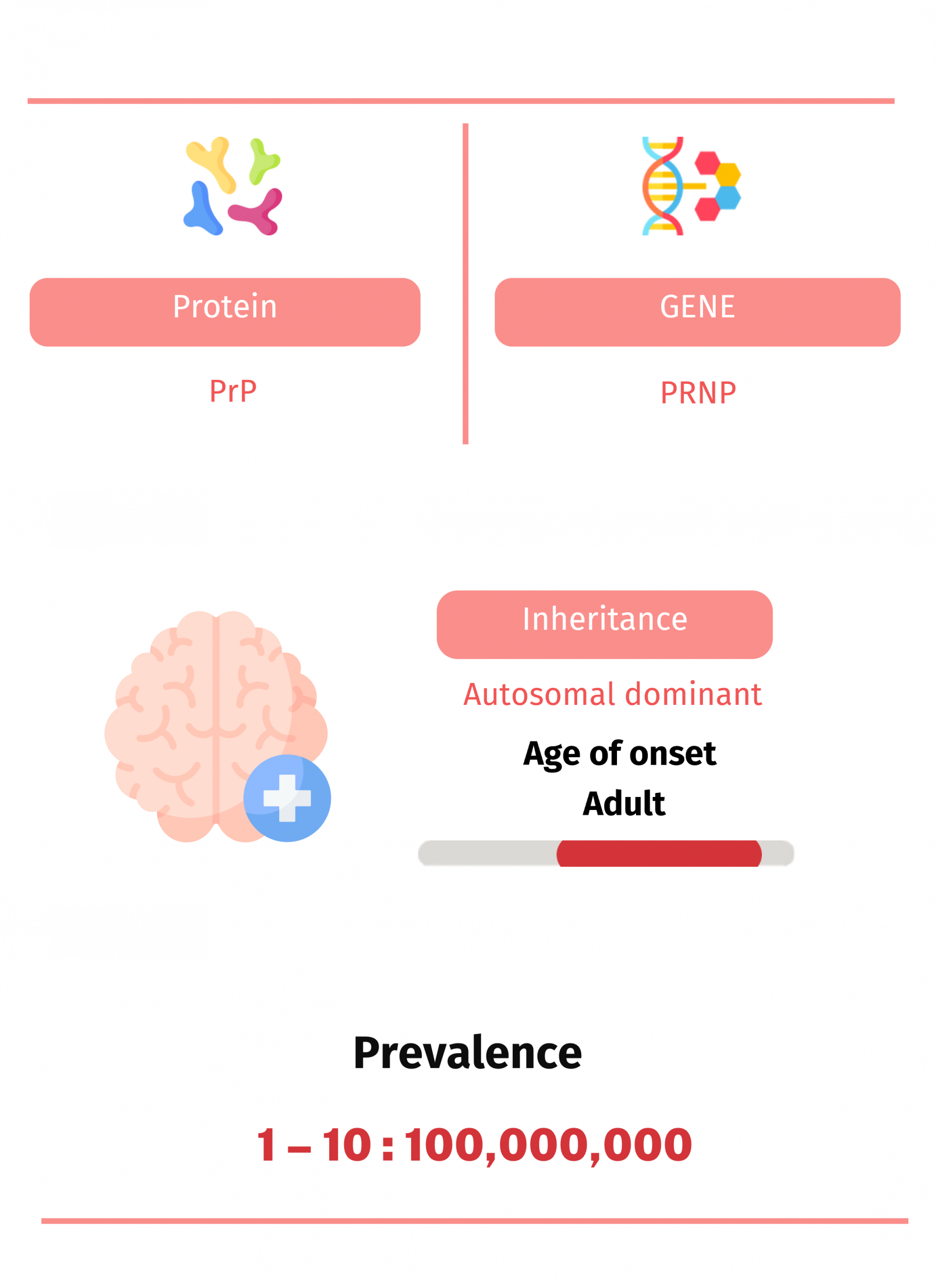
Gerstmann-Sträussler-Scheinker Disease (GSS) is a rare inherited human prion disease characterized by adult-onset slowly progressive cerebellar ataxia, with dementia typically developing relatively late in the disease course, known as the classic ataxic phenotype.
GSS is invariably fatal, with an average survival of approximately five years. Neuropathologically, GSS is characterized by the presence of numerous multicentric prion protein plaques in the cerebral and cerebellar cortex.
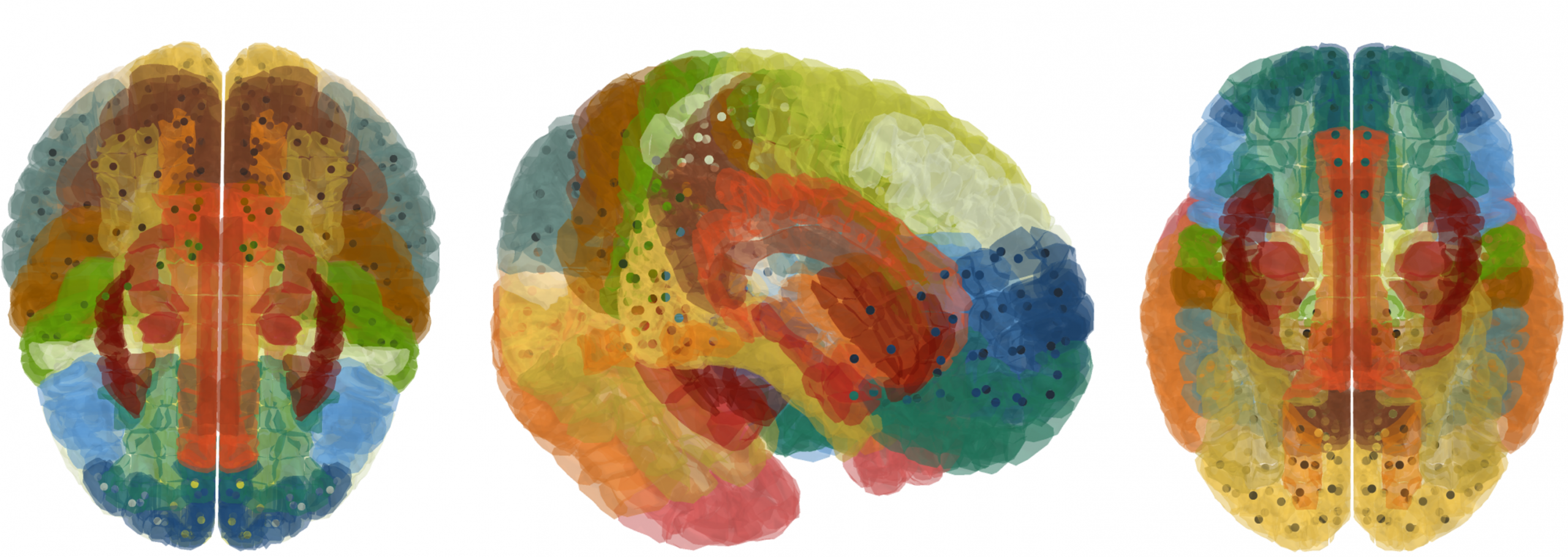
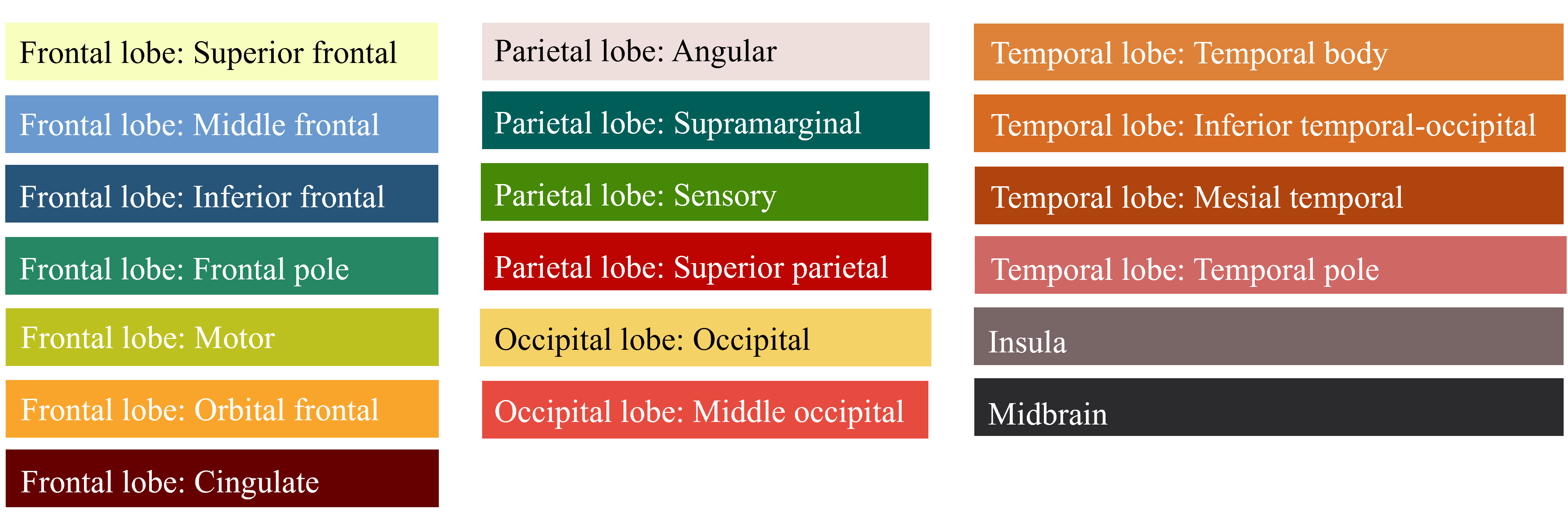
This figure shows the location of Gerstmann-Sträussler-Scheinker Disease within the brain. Different colors represent various brain regions according to their labels, while the points indicate areas with a potential presence of Gerstmann-Sträussler-Scheinker Disease.
Symptom
Symptoms of Gerstmann-Sträussler-Scheinker Disease (GSS) can vary depending on the stage of the disease and the individual affected. Common symptoms may include:
- Cerebellar Ataxia: Progressive loss of coordination and balance, leading to gait disturbances, frequent falls, and difficulty with fine motor tasks.
- Dementia: Gradual decline in cognitive function, including memory loss, impaired judgment, and difficulty with language and problem-solving.
- Muscle Stiffness or Weakness: Spasticity or weakness in the muscles, affecting movement and contributing to gait abnormalities.
- Dysarthria and Dysphagia: Difficulty with speech articulation and swallowing, leading to slurred speech and swallowing difficulties.
- Nystagmus: Involuntary eye movements, which may cause vision disturbances and affect visual perception.
- Dysmetria: Impaired coordination of movements, resulting in overshooting or undershooting targets.
- Pancerebellar Syndrome: Involvement of the entire cerebellum, leading to widespread motor and cognitive impairments.
- Myoclonus: Sudden, involuntary muscle jerks or twitches, which may affect various parts of the body.
- Spasticity: Increased muscle tone and stiffness, which can interfere with movement and contribute to muscle weakness.
- Severe Dementia and Mutism: Progressive decline in cognitive function, eventually leading to severe dementia and loss of speech.
It’s important to note that the presentation and progression of symptoms can vary among individuals with GSS, and not all symptoms may be present in every case.