
Fatal Familial Insomnia (FFI)
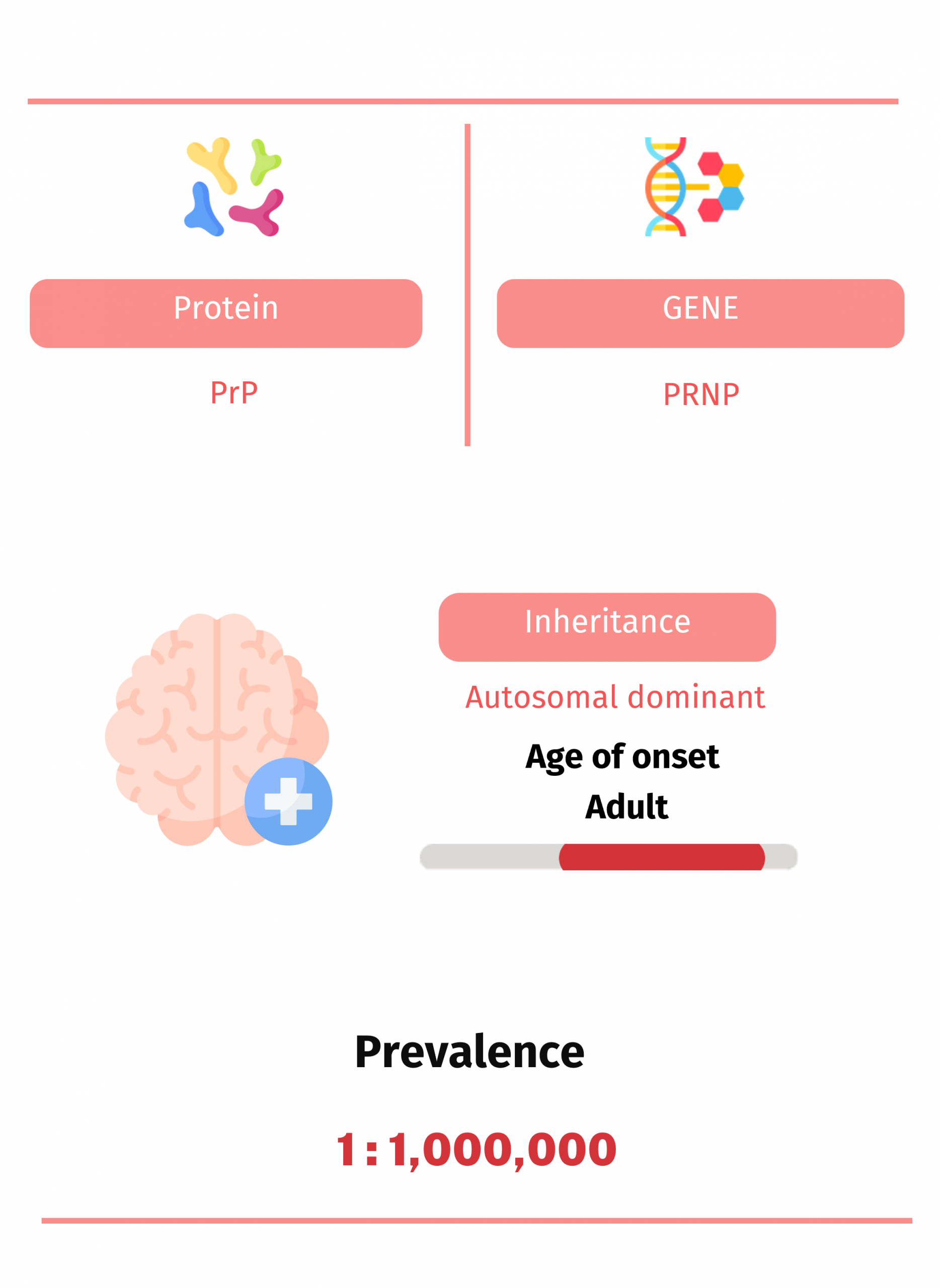
Fatal Familial Insomnia (FFI) is an extremely rare, inherited prion disease. It is part of the family of transmissible spongiform encephalopathies (TSEs) and is caused by a mutation in the PRNP gene.
FFI typically manifests in midlife and leads to a rapid decline in cognitive function, motor coordination, and autonomic nervous system control. The disease is invariably fatal, with death occurring within months to a few years after symptom onset.
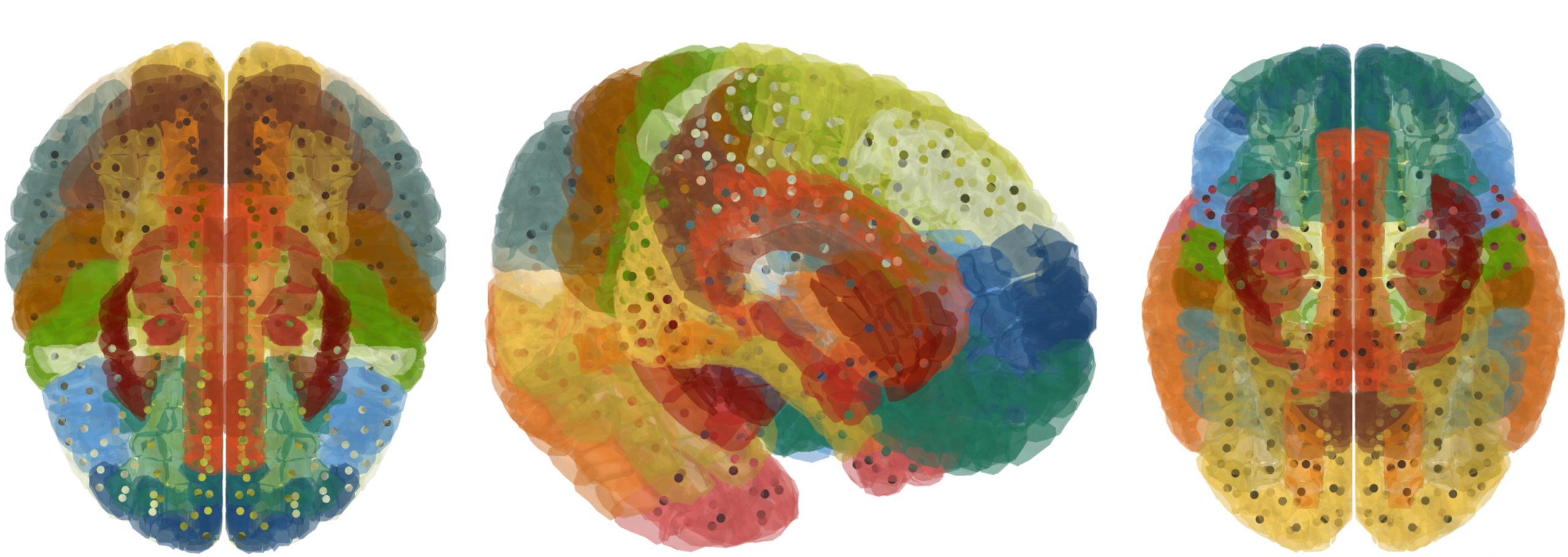
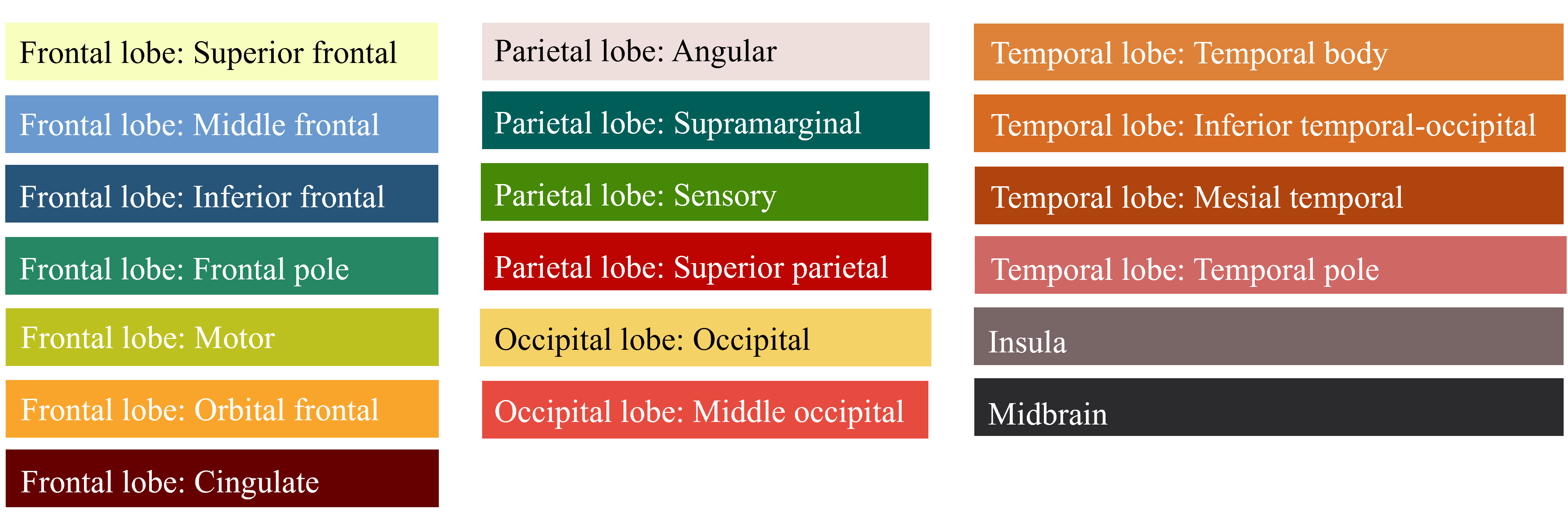
This figure shows the location of Fatal Familial Insomnia within the brain. Different colors represent various brain regions according to their labels, while the points indicate areas with a potential presence of Fatal Familial Insomnia.
Symptom
Symptoms of Fatal Familial Insomnia (FFI) may include:
- Progressive Disturbance of Circadian Rhythms: Gradual disruption and loss of normal sleep-wake cycles, leading to insomnia and alterations in the sleep pattern.
- Dysautonomia: Dysfunction of the autonomic nervous system, characterized by increased sympathetic activity, resulting in symptoms such as sweating, elevated heart rate, and blood pressure fluctuations.
- Cognitive Impairment: Fluctuating levels of alertness and cognitive function, including impaired memory, disorientation, and confusion.
- Motor Disturbances: Myoclonus, sudden and involuntary muscle jerks or twitching, along with cerebellar ataxia, which causes uncoordinated movement and balance problems.
- Pyramidal Signs: Symptoms associated with damage to the pyramidal tracts of the central nervous system, including weakness, spasticity, and exaggerated reflexes.
- Rapid Disease Progression: FFI rapidly progresses to a somnolent or comatose state within months, leading to death typically within 9 to 30 months from symptom onset.
These symptoms manifest gradually over time and may vary in severity among affected individuals.