Creutzfeldt-Jakob Disease (CJD)
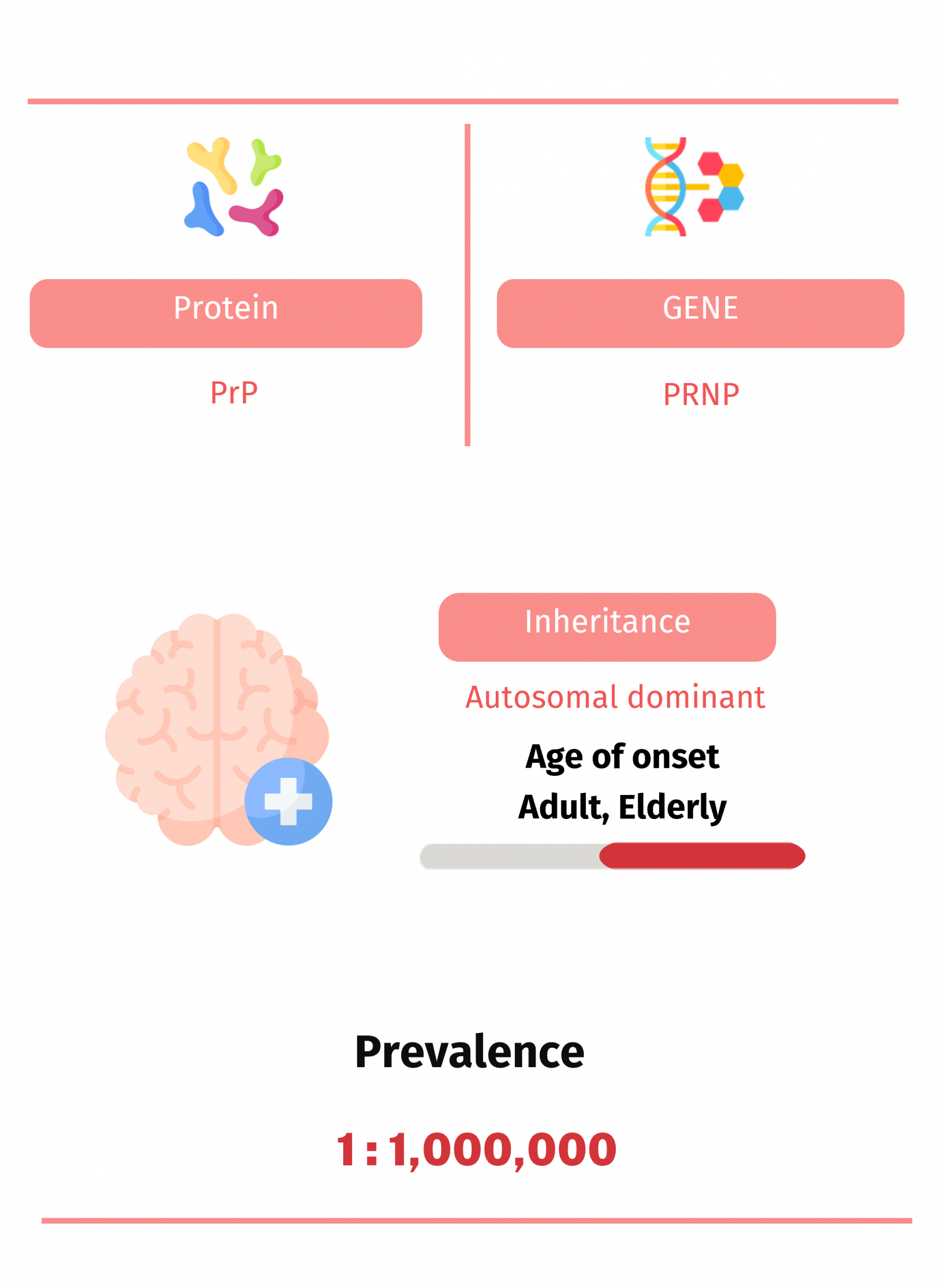
Creutzfeldt-Jakob disease (CJD) is a rare and fatal neurodegenerative disorder. It is caused by the abnormal folding of prion proteins in the brain. This misfolded protein leads to the death of brain cells, resulting in the characteristic symptoms of the disease.
CJD typically manifests with cognitive decline, memory problems, personality changes, and difficulties with movement and coordination. The disease progresses rapidly, often leading to severe disability and death within months to a few years after onset.
There are different forms of CJD, including sporadic, familial, and acquired variants, each with distinct underlying causes. Additionally, there is a rare genetic form of CJD characterized by typical features of the disease and a genetic cause, sometimes with a family history of dementia.

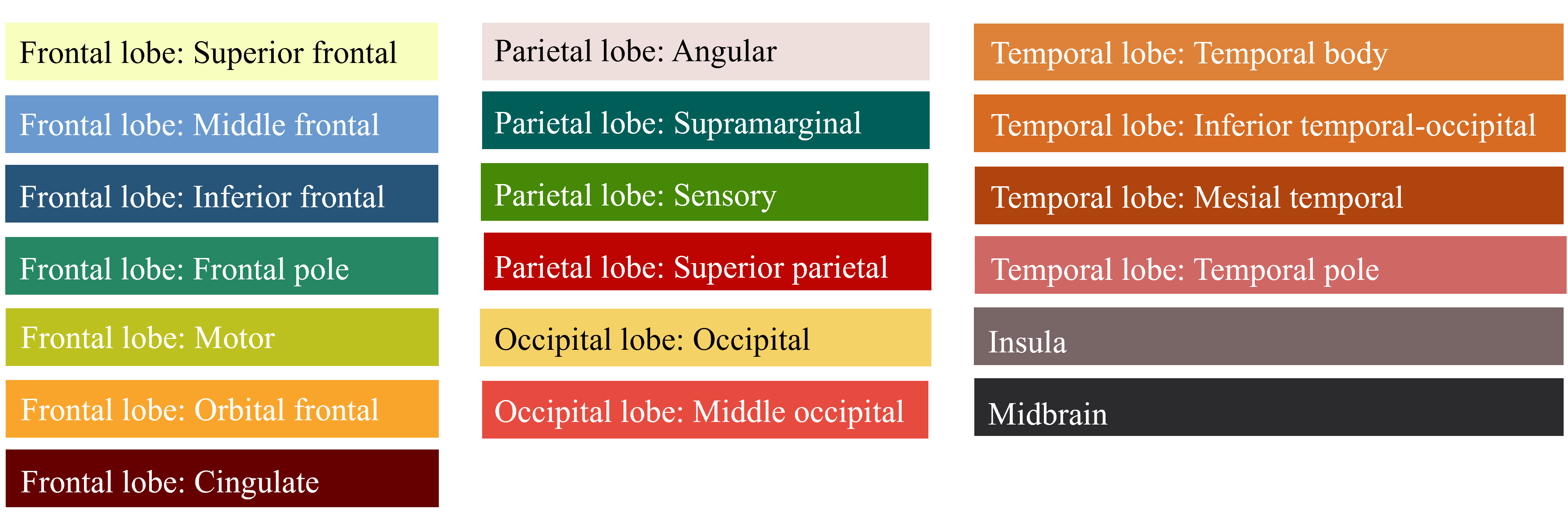
This figure shows the location of Creutzfeldt-Jakob Disease within the brain. Different colors represent various brain regions according to their labels, while the points indicate areas with a potential presence of Creutzfeldt-Jakob Disease.
Symptom
Symptoms of Creutzfeldt-Jakob Disease (CJD):
- Rapidly Progressive Dementia: Gradual decline in cognitive function, including memory loss, reasoning, and judgment.
- Personality and Behavioral Changes: Alterations in behavior, mood swings, agitation, and social withdrawal.
- Psychiatric Disorders: Development of psychiatric symptoms such as depression, anxiety, paranoia, or hallucinations.
- Myoclonus: Sudden, involuntary muscle jerks or twitches, which may be spontaneous or triggered by movement or sensory stimuli.
- Ataxia: Impaired coordination and balance, resulting in unsteady gait, clumsiness, and difficulty controlling movements.
These symptoms typically worsen over time and may lead to severe disability, including loss of mobility and the ability to communicate and perform daily activities.