
Argyrophilic Grain Disease (AGD)
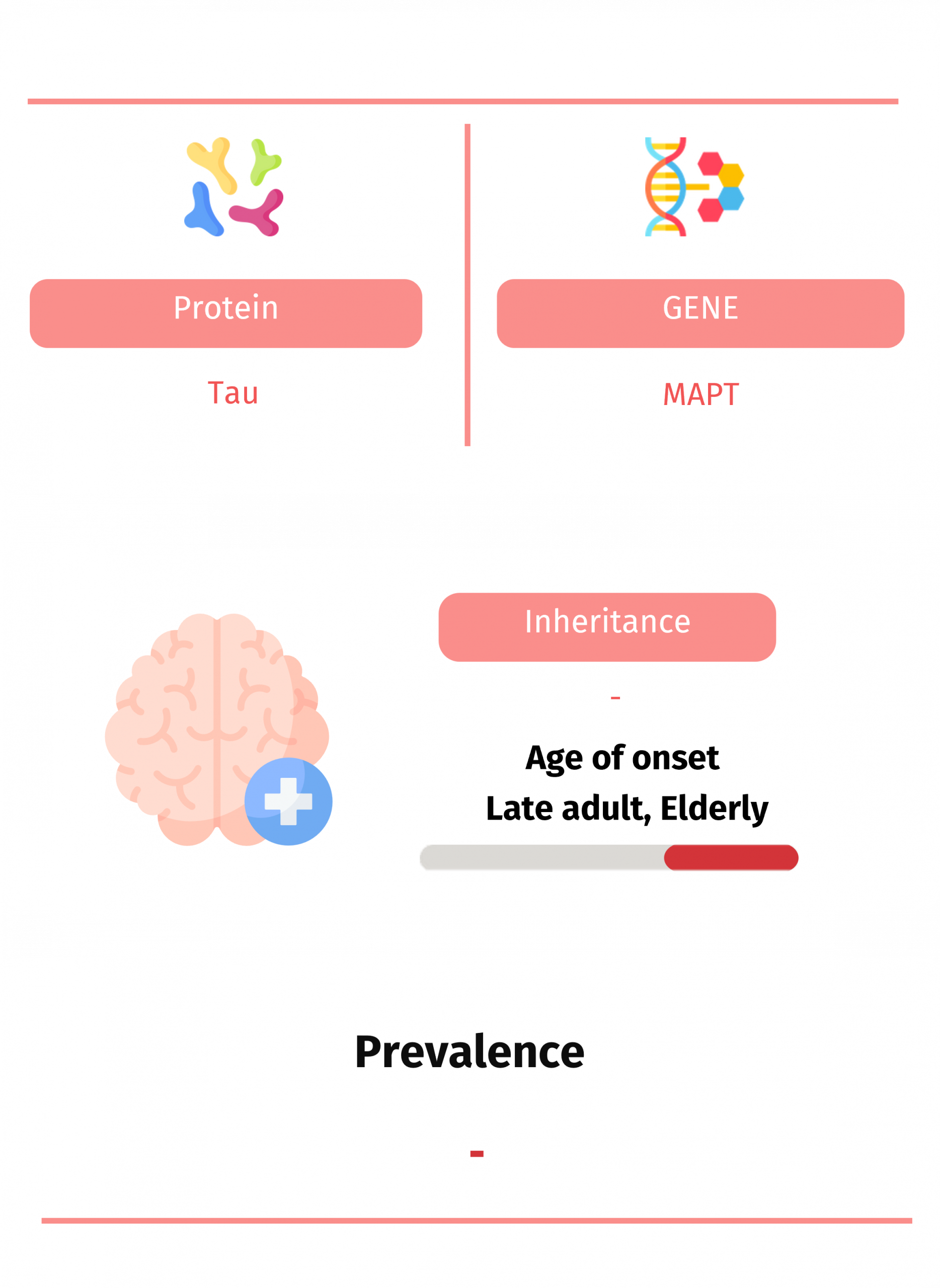
Argyrophilic Grain Disease (AGD) is a neurodegenerative disorder marked by abnormal tau protein buildup in the brain, leading to cognitive decline and neurological symptoms in older adults.
While the exact cause of AGD remains uncertain, it is believed to result from a combination of genetic, environmental, and molecular factors. Currently, there are no specific treatments for AGD, and management focuses on addressing symptoms and providing supportive care to affected individuals.

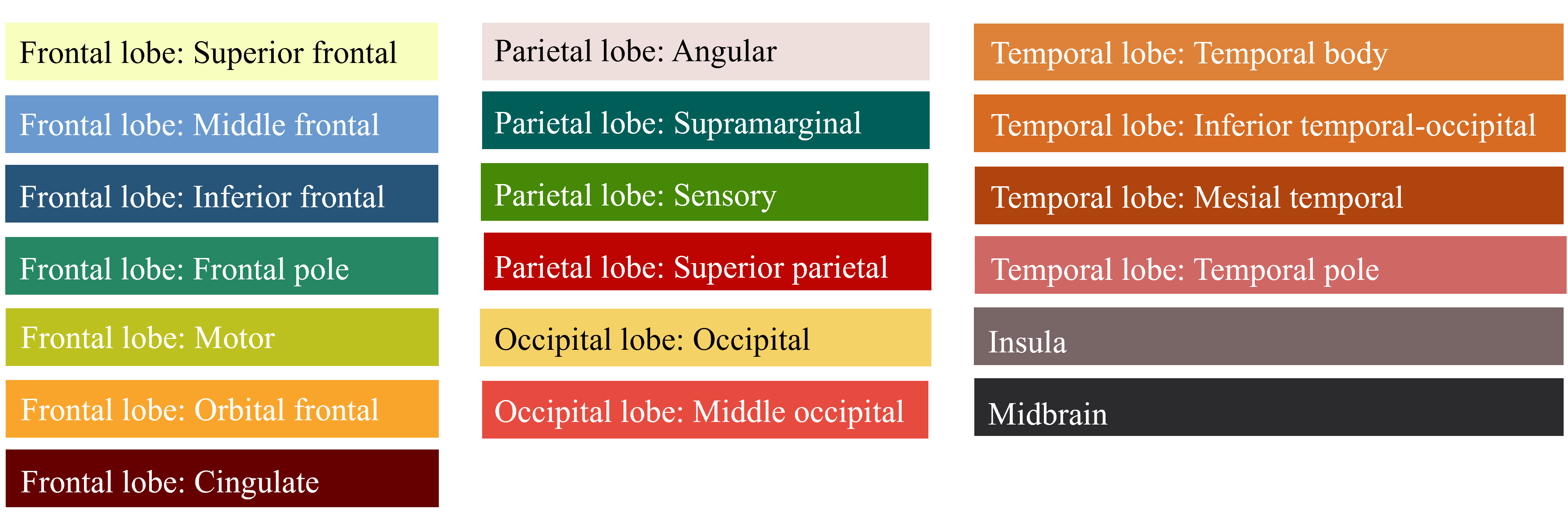
This figure shows the location of Argyrophilic Grain Disease within the brain. Different colors represent various brain regions according to their labels, while the points indicate areas with a potential presence of Argyrophilic Grain Disease.
Symptom
Symptoms of Argyrophilic Grain Disease (AGD) may include:
- Memory Impairment: Difficulty recalling recent events or conversations, and problems with short-term memory.
- Cognitive Decline: Progressive deterioration in thinking abilities, including difficulties with reasoning, problem-solving, and decision-making.
- Language and Communication Problems: Difficulty finding words, expressing thoughts, or understanding spoken or written language.
- Disorientation: Confusion about time, place, or familiar surroundings.
- Behavioral Changes: Mood swings, agitation, irritability, and changes in personality.
- Executive Dysfunction: Challenges with planning, organizing, and executing tasks.
- Motor Symptoms: Some individuals may experience motor symptoms such as stiffness, tremors, or difficulties with coordination, although these are less common in AGD compared to other neurodegenerative diseases.
It’s important to note that the presentation of symptoms can vary among individuals with AGD, and not all symptoms may be present in every case. Additionally, symptoms may overlap with other neurodegenerative disorders, making accurate diagnosis challenging.