Amyotrophic Lateral Sclerosis (ALS)
Amyotrophic lateral sclerosis (ALS), also known as Lou Gehrig’s disease, is a progressive neurodegenerative disorder. ALS primarily targets motor neurons in the primary motor cortex, corticospinal tracts, brainstem, and spinal cord, resulting in muscle weakness, atrophy, and eventual paralysis.
While the majority of ALS cases are sporadic, approximately 5-10% of cases are familial, with a genetic component. In familial cases, mutations in genes such as SOD1, TARDBP, and VCP have been identified. Mutations in the SOD1 gene are implicated in about 20% of familial cases, while mutations in the TARDBP gene, encoding the TAR DNA-binding protein 43 (TDP-43), are found in about 2-5% of cases.
Additionally, mutations in the VCP gene, which codes for the Valosin Containing Protein, are implicated in approximately 1-2% of familial cases. Interestingly, a small percentage of apparently sporadic ALS cases also involve mutations in genes like SOD1 and TARDBP.
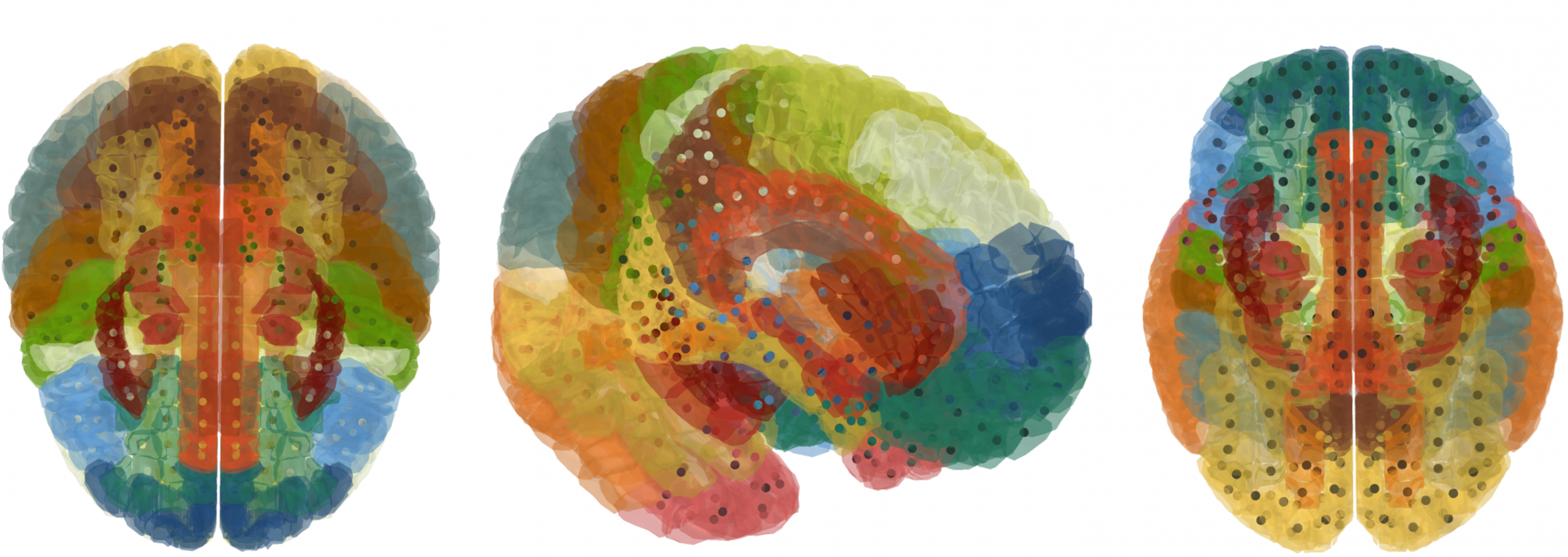
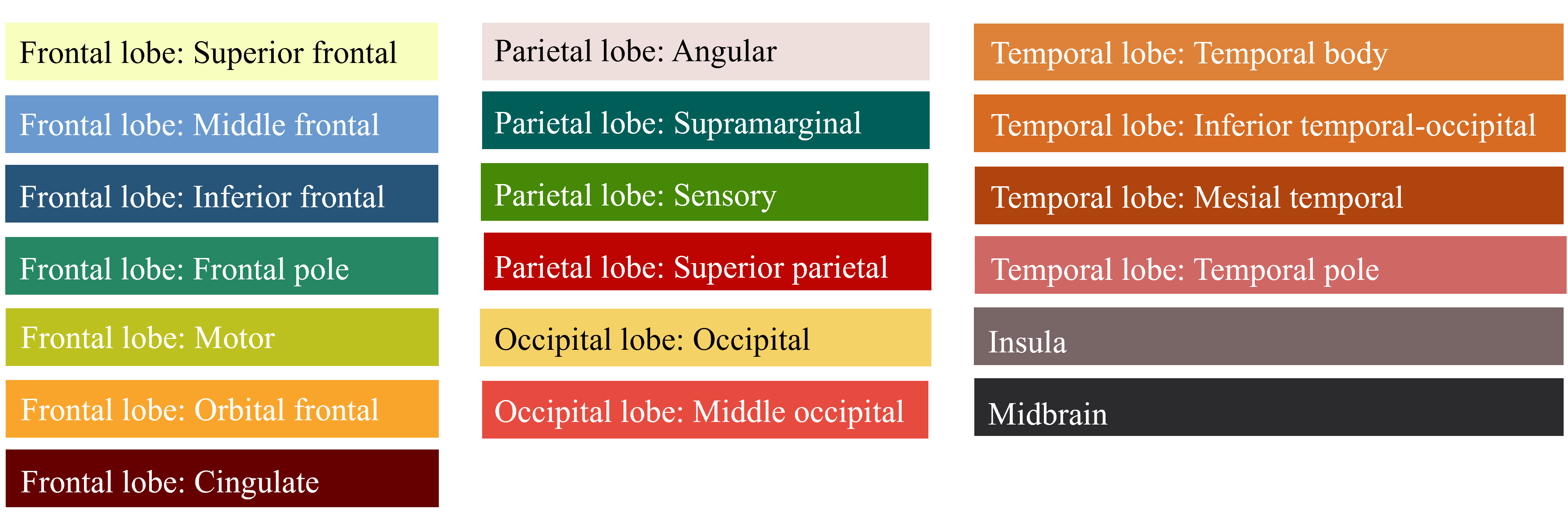
This figure shows the location of Amyotrophic Lateral Sclerosis within the brain. Different colors represent various brain regions according to their labels, while the points indicate areas with a potential presence of Amyotrophic Lateral Sclerosis.

Symptom
Symptoms of ALS can vary among individuals but typically include:
- Muscle Weakness: Gradual onset of muscle weakness, often beginning in the hands or feet and spreading to other parts of the body.
- Muscle Atrophy: Progressive muscle atrophy due to the degeneration of motor neurons, resulting in shrinking and weakness of affected muscles.
- Muscle Spasms and Twitches: Involuntary muscle spasms, twitches (fasciculations), or cramps, particularly in the arms, legs, or tongue.
- Difficulty with Motor Functions: Challenges with tasks that require fine motor skills, such as writing, buttoning clothes, or holding utensils.
- Impaired Speech: Slurred or nasal speech due to weakness in the muscles used for speaking (dysarthria).
- Swallowing Difficulties: Difficulty swallowing (dysphagia), leading to problems with eating, drinking, and saliva control.
- Respiratory Problems: Breathing difficulties, shortness of breath, or respiratory weakness as the disease progresses, potentially requiring assistance with ventilation.
- Fatigue: Persistent fatigue and weakness, even with minimal physical exertion.
- Weight Loss: Unintentional weight loss due to difficulty eating and swallowing.
- Cognitive Changes: While ALS primarily affects motor function, some individuals may experience mild cognitive or behavioral changes, such as difficulties with decision-making, planning, or memory.
It’s important to note that ALS symptoms can progress rapidly, and individuals may experience different combinations of symptoms depending on the progression of the disease.