
Alzheimer’s Disease (AD)
Alzheimer’s Disease (AD) is a progressive neurological disorder characterized by memory loss, cognitive decline, and changes in behavior. It is the most common cause of dementia, affecting millions of people worldwide.
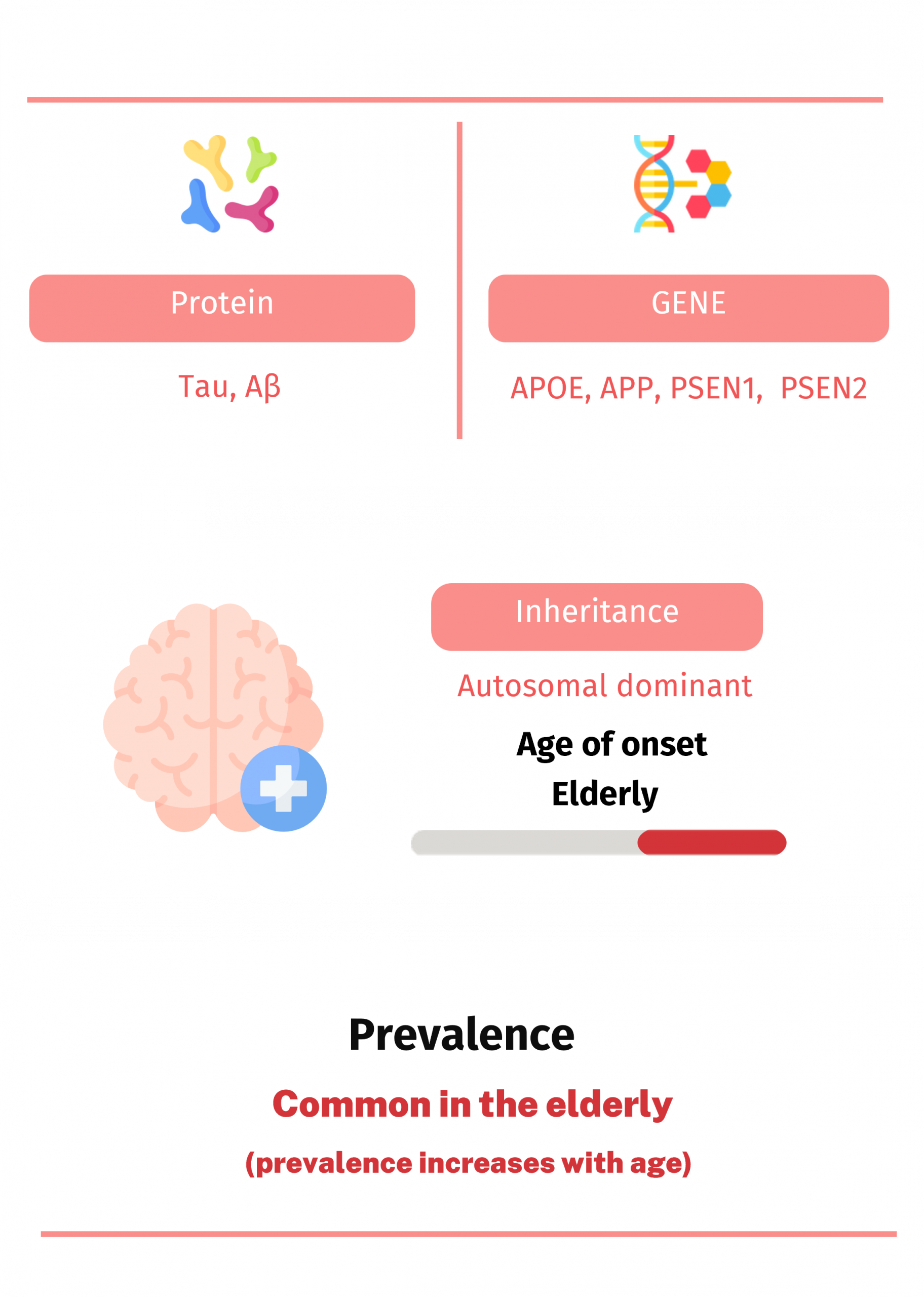
The hallmark pathological features of AD include the accumulation of abnormal protein aggregates, such as beta-amyloid plaques and tau tangles, in the brain. These neuropathological changes lead to the degeneration and loss of neurons, particularly in areas crucial for memory and cognitive function.
While the exact cause of AD remains unclear, genetic, environmental, and lifestyle factors are thought to play a role in its development. Currently, there is no cure for AD, and available treatments aim to manage symptoms and slow disease progression.
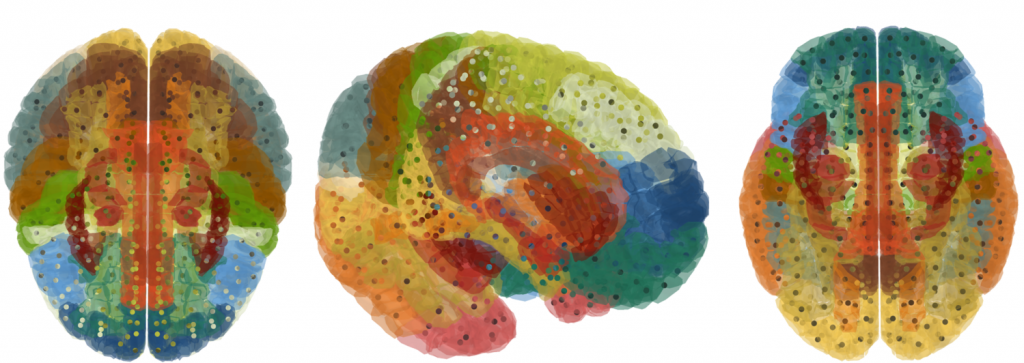
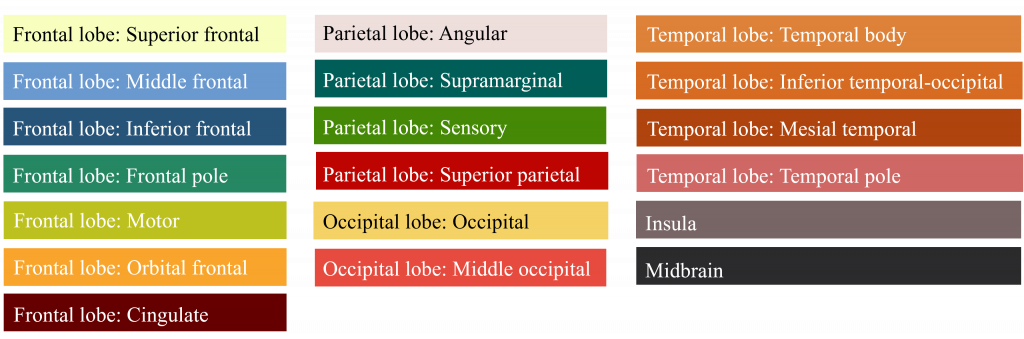
This figure shows the location of Alzheimer’s Disease within the brain. Different colors represent various brain regions according to their labels, while the points indicate areas with a potential presence of Alzheimer’s Disease.
Symptom
Symptoms of Alzheimer’s Disease (AD) may vary depending on the stage of the disease and the individual affected. Common symptoms include:
- Memory Loss: Forgetfulness, particularly of recent events or conversations, and difficulty recalling information.
- Cognitive Decline: Impaired thinking and reasoning abilities, difficulty concentrating, and challenges with problem-solving.
- Language Problems: Difficulty finding the right words, expressing thoughts verbally, or understanding spoken or written language.
- Disorientation: Confusion about time, place, or familiar faces, leading to getting lost in familiar surroundings.
- Changes in Mood and Behavior: Mood swings, apathy, withdrawal from social activities, irritability, agitation, or depression.
- Difficulty Performing Familiar Tasks: Challenges with completing routine tasks, such as cooking, managing finances, or following instructions.
- Poor Judgment: Impaired decision-making, risk assessment, and judgment, leading to potentially unsafe situations.
- Misplacing Items: Putting items in unusual places and struggling to retrace steps to find them.
- Loss of Initiative: Reduced motivation, initiative, and interest in previously enjoyed activities.
- Personality Changes: Changes in personality traits, such as becoming more passive, suspicious, or paranoid.
It’s important to note that the progression and severity of symptoms can vary among individuals with Alzheimer’s Disease, and not all symptoms may be present in every case. Early diagnosis and appropriate management can help improve quality of life and support for individuals living with AD and their caregivers.