Alexander Disease (AxD)
Alexander Disease (AxD) is indeed a rare neurodegenerative disorder characterized by abnormal protein deposits known as Rosenthal fibers, which accumulate in the brain’s white matter. These fibers are primarily composed of the glial fibrillary acidic protein (GFAP). There are two clinical forms of AxD: type I and type II, each presenting with varying degrees of symptoms such as macrocephaly (enlarged head size), spasticity, ataxia, seizures, and psychomotor regression.
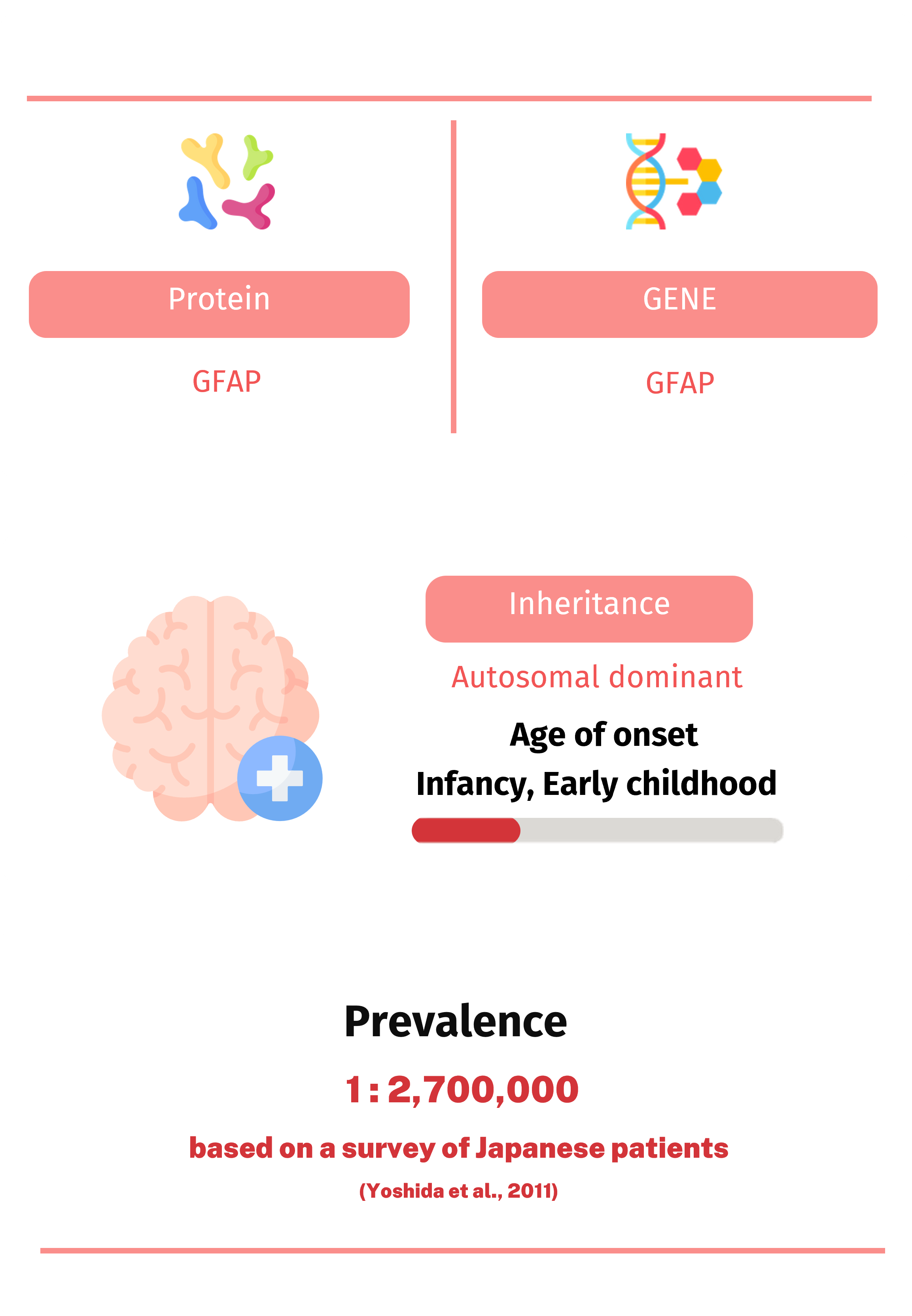
In approximately 95% of cases, AxD is caused by gain-of-function mutations in the GFAP gene. These mutations lead to the dysfunction of astrocytes, which are specialized cells in the brain responsible for supporting and nourishing neurons. This dysfunction ultimately results in progressive neurological decline and, in severe cases, death.

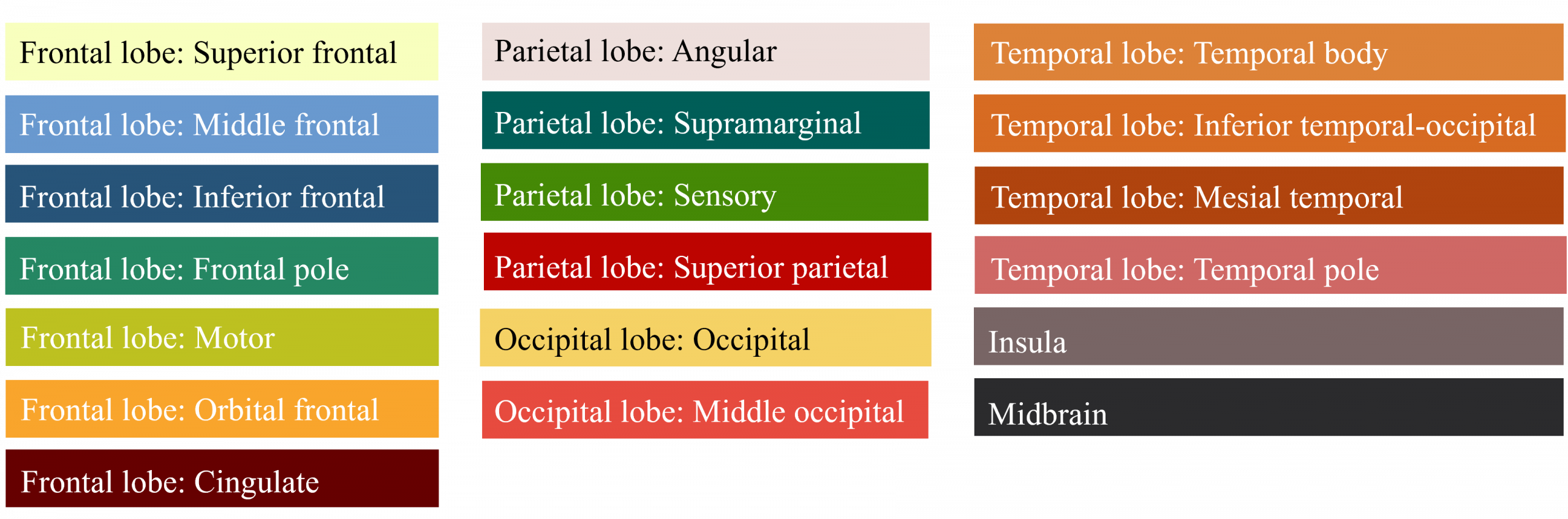
This figure shows the location of Alexander Disease within the brain. Different colors represent various brain regions according to their labels, while the points indicate areas with a potential presence of Alexander Disease.
Symptom
Symptoms of Alexander Disease (AxD) include:
- Macrocephaly: Enlarged head size, often noticeable in infancy.
- Spasticity: Increased muscle stiffness and involuntary muscle contractions.
- Ataxia: Impaired coordination and balance, leading to unsteady movements.
- Seizures: Sudden, uncontrolled electrical disturbances in the brain.
- Psychomotor Regression: Loss of previously acquired developmental skills, such as movement and speech.
- Dysphagia: Difficulty swallowing, which can lead to feeding problems.
- Optic Atrophy: Degeneration of the optic nerve, leading to vision impairment.
- Respiratory Distress: Difficulty breathing, particularly in more severe cases.
- Intellectual Disability: Cognitive impairment affecting intellectual functioning and adaptive behavior.
- Gait Abnormalities: Changes in walking pattern due to muscle weakness and ataxia.
These symptoms typically emerge in childhood, although the age of onset and severity can vary widely among affected individuals. They progressively worsen over time, leading to significant neurological impairment and, in some cases, premature death.