
Aceruloplasminemia
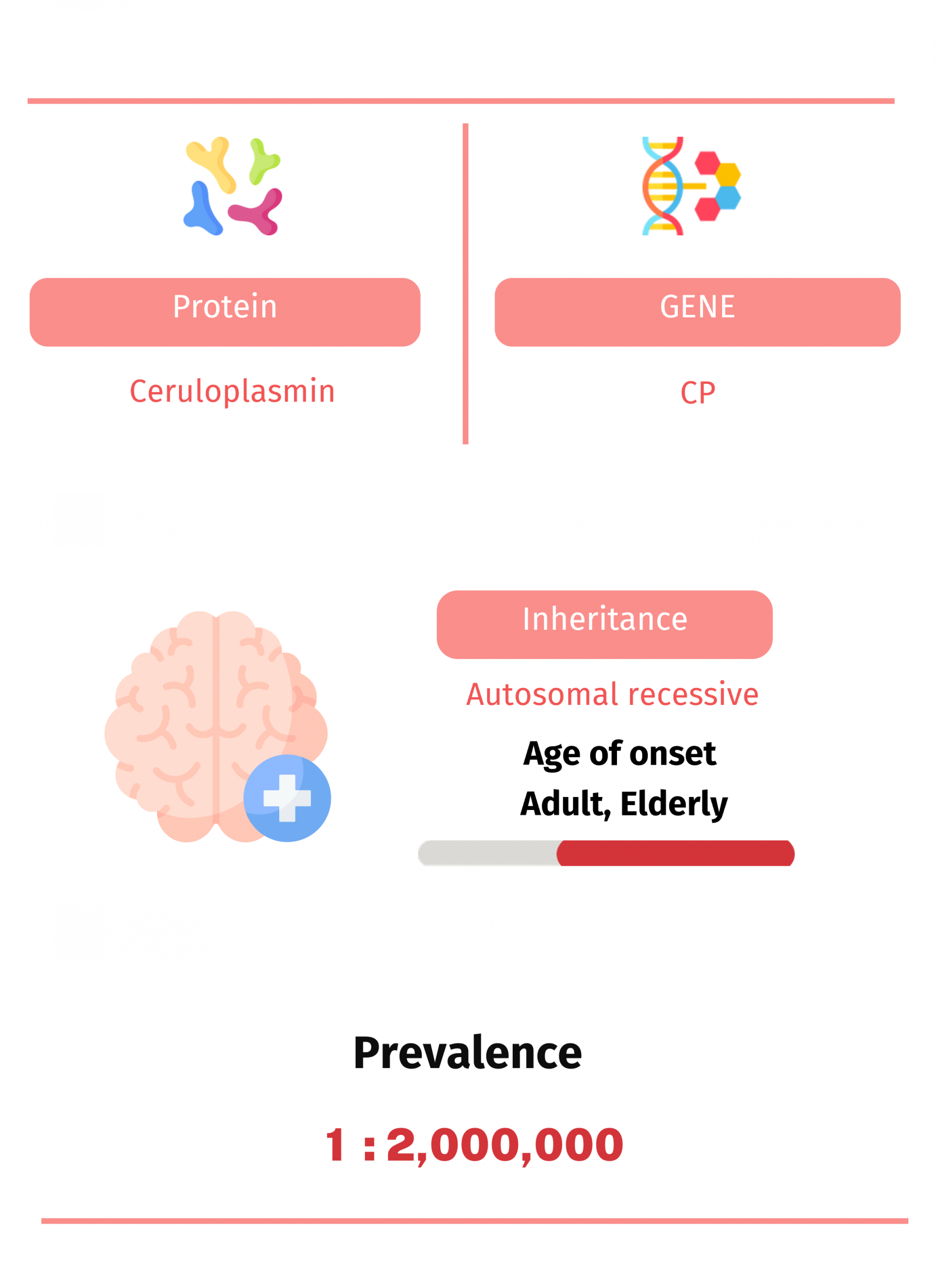
Aceruloplasminemia is a rare adult-onset disorder characterized by neurodegeneration with brain iron accumulation (NBIA), presenting with symptoms such as anemia, retinal degeneration, diabetes, and various neurological manifestations. This condition arises from a complete absence of ceruloplasmin ferroxidase activity, resulting from homozygous mutations in the ceruloplasmin (CP) gene. Ceruloplasmin, an essential protein for iron metabolism, is deficient or dysfunctional in individuals with aceruloplasminemia, leading to abnormal iron accumulation primarily in the brain, liver, and pancreas.

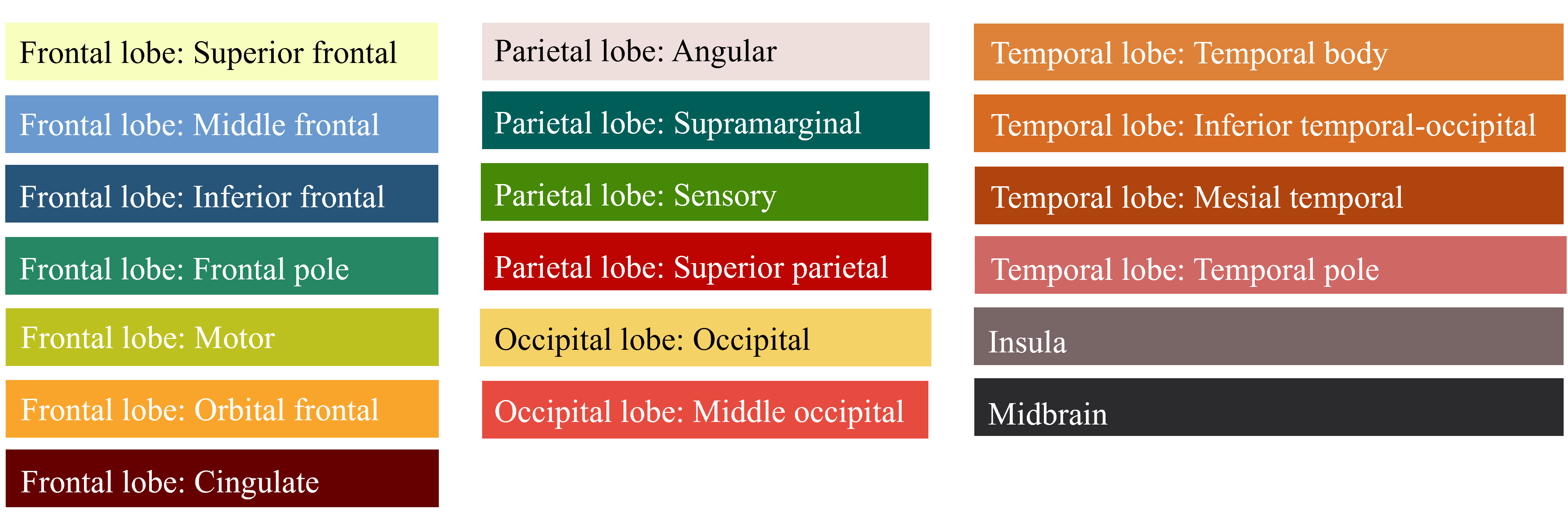
This figure shows the location of Aceruloplasminemia within the brain. Different colors represent various brain regions according to their labels, while the points indicate areas with a potential presence of Aceruloplasminemia.
Symptom
Symptoms of aceruloplasminemia may include:
- Neurological Symptoms: Such as movement disorders (tremors, chorea), cognitive impairment, and psychiatric manifestations (depression, anxiety).
- Retinal Degeneration: Progressive deterioration of the retina, leading to vision loss and impaired visual function.
- Anemia: Decreased red blood cell count, resulting in fatigue, weakness, and pale skin.
- Diabetes Mellitus: Due to iron deposition in the pancreas, leading to insulin deficiency or resistance and subsequent hyperglycemia.
- Hepatic Dysfunction: Liver abnormalities due to iron accumulation, which may manifest as elevated liver enzymes or liver failure.
- Neurological Manifestations: Such as ataxia (lack of muscle coordination), dysarthria (difficulty speaking), and dystonia (abnormal muscle contractions).
- Sensorimotor Peripheral Neuropathy: Numbness, tingling, or pain in the extremities due to nerve damage.
- Behavioral Changes: Such as irritability, impulsivity, or apathy.
- Sleep Disturbances: Including insomnia or excessive daytime sleepiness.
- Endocrine Dysfunction: Besides diabetes, hormonal imbalances may occur, leading to issues such as hypothyroidism or adrenal insufficiency.
These symptoms can vary in severity and may progress over time. Early recognition and management of symptoms are crucial for optimizing treatment and support for affected individuals.